Thrift stores, estate sales, and secondhand marketplaces are treasure troves for budget decorators who know what to look for. With patience, a discerning eye, and a little creativity, you can find unique, high-quality pieces that add character and charm to your home for a fraction of retail prices. This comprehensive guide will teach you everything you need to know to shop secondhand like a pro.
Share This Article
Why Secondhand Shopping is Perfect for Budget Decorating
Secondhand shopping offers benefits that go far beyond saving money. When you buy pre-owned home decor, you're participating in a more sustainable form of consumption that keeps usable items out of landfills. You're also gaining access to unique vintage and antique pieces that simply aren't available in modern retail stores—items with character, craftsmanship, and history that mass-produced decor can't replicate. Real Simple's thrift shopping guide offers expert strategies for finding the best secondhand treasures.
The financial advantages are substantial. Quality furniture and decor that would cost hundreds or thousands of dollars new can often be found for ten to twenty percent of the original price. A solid wood dresser that retails for eight hundred dollars might cost eighty dollars at an estate sale. Designer throw pillows that sell for fifty dollars each in boutiques regularly appear at thrift stores for five dollars. These savings add up quickly, allowing you to furnish and decorate entire rooms on budgets that wouldn't cover a single piece at retail prices.
Perhaps most exciting for creative decorators, secondhand pieces offer opportunities for customization and transformation. That dated wooden mirror can be spray-painted in a trendy color. Those vintage curtains can be hemmed and hung in a new room. The possibilities for DIY projects are endless when you're working with affordable secondhand finds that you won't feel guilty about modifying.
Best Places to Find Secondhand Home Decor
Thrift Stores
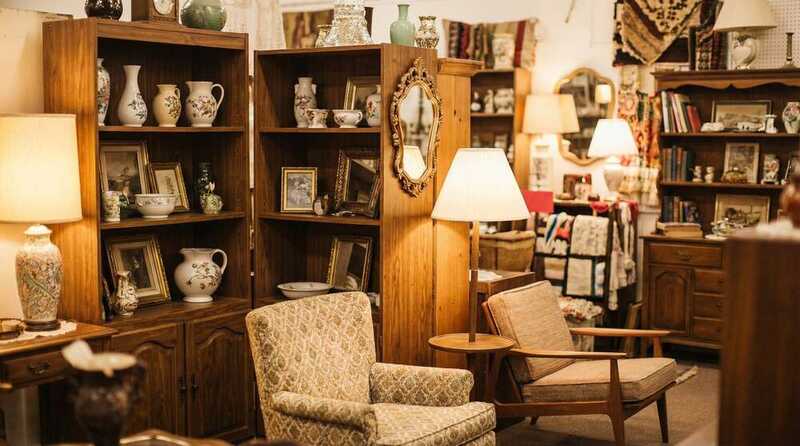
Traditional thrift stores like Goodwill, Salvation Army, and local charity shops offer the most consistent inventory and regular shopping opportunities. Visit frequently—ideally weekly—to catch new items as they're stocked. Learn when your local stores restock and try to shop those days for first pick of new arrivals.
Best for: Everyday decor items, picture frames, vases, small furniture, books, and textiles. Prices are typically very affordable, ranging from one to twenty dollars for most items.
Estate Sales
Estate sales happen when entire households are being liquidated, often due to downsizing or after someone passes away. These sales typically offer higher-quality items than thrift stores, including antiques, complete furniture sets, and well-maintained household goods. Check websites like EstateSales.net to find sales in your area.
Best for: Quality furniture, vintage decor, complete dish sets, artwork, and unique statement pieces. Prices vary widely but are still significantly below retail. Arrive early for best selection or late for best deals as prices drop.
Facebook Marketplace & Craigslist
Online marketplaces allow you to browse local secondhand items from the comfort of your home. You can search by specific items, set price ranges, and often negotiate directly with sellers. Facebook Marketplace has largely replaced Craigslist in many areas and offers better safety features through profile verification.
Best for: Large furniture pieces, specific items you're searching for, and free items (check the "free" category regularly for curb alerts). Always meet in public places and bring someone with you for safety.
Garage & Yard Sales
Weekend garage sales are hit-or-miss but can yield amazing finds at rock-bottom prices. Sellers are often motivated to clear out items and will negotiate, especially late in the day. Look for multi-family sales or neighborhood-wide sales for the best selection.
Best for: Bargain hunting, negotiating, and finding unexpected treasures. Bring cash in small bills and be prepared to haggle politely. Most items will be priced between fifty cents and ten dollars.
Consignment & Antique Shops
These curated shops offer higher-end secondhand items that have been vetted for quality and style. Prices are higher than thrift stores but still well below retail, and the selection tends to be more design-forward. Great for finding statement pieces or specific styles like mid-century modern or farmhouse.
Best for: Quality vintage furniture, designer items, and cohesive style pieces. Expect to pay twenty to fifty percent of retail prices. Some shops offer layaway or hold items for serious buyers.
What to Look For (And What to Avoid)
Successful thrift shopping requires knowing which items are worth buying secondhand and which should be purchased new. Some categories consistently offer excellent value and quality when bought used, while others present hygiene concerns, safety issues, or simply aren't worth the savings.
Always Worth Buying Secondhand
Solid Wood Furniture: Dressers, tables, chairs, and shelving made from real wood are built to last and can be refinished or painted. Check for sturdy construction and avoid particle board pieces that won't hold up.
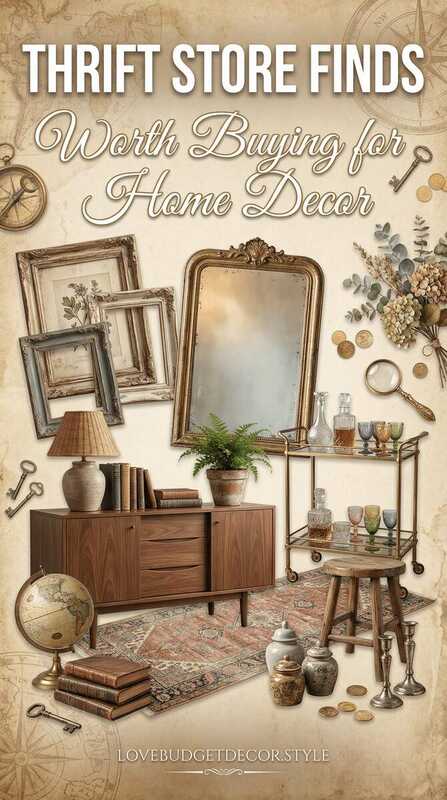
Picture Frames: Frames are consistently overpriced new and plentiful at thrift stores. You can spray paint them any color to match your decor.
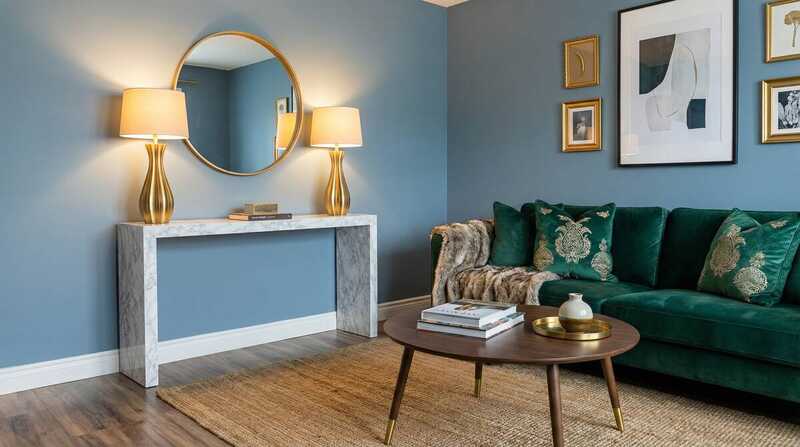
Mirrors: Large mirrors are expensive new but common at secondhand shops. Check for silvering issues (dark spots on the mirror surface) but minor imperfections can add vintage character.
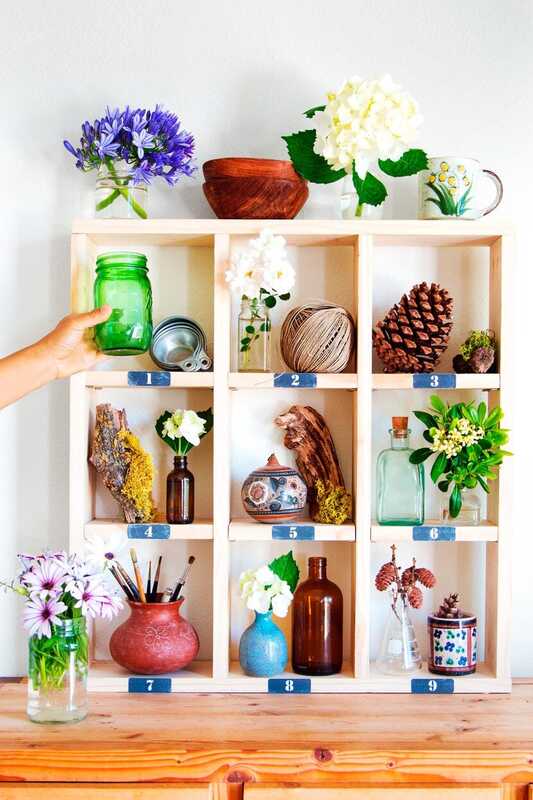
Vases & Decorative Bowls: Glass, ceramic, and metal vessels are perfect thrift store finds. Look for interesting shapes, colors, or vintage brands like Pyrex or Fire-King.
Books: Hardcover books make excellent decor and are typically fifty cents to two dollars at thrift stores. Look for interesting colors and vintage covers.
Baskets & Storage: Woven baskets, wooden crates, and vintage suitcases provide stylish storage at fraction of retail prices.
Artwork & Prints: Even if you don't love the art itself, quality frames with matting are worth buying. You can replace the art with your own prints or photos.
Approach with Caution
Upholstered Furniture: Sofas and upholstered chairs can harbor bed bugs, odors, and stains that are difficult or impossible to remove. If you do buy upholstered pieces, inspect thoroughly for signs of pests, check all seams and crevices, and consider having them professionally cleaned immediately.
Mattresses & Pillows: Never buy used mattresses or pillows due to hygiene concerns and potential bed bug issues. These items should always be purchased new.
Cribs & Car Seats: Safety standards change frequently, and you can't verify the history of used safety items. Always buy these new to ensure they meet current safety regulations and haven't been in accidents.
Electronics: Older electronics may not work properly and aren't worth the risk unless you can test them before buying. If the thrift store allows testing, small appliances can be good deals.
Anything with Mold or Mildew: That musty smell doesn't always come out, and mold can be a health hazard. Pass on items with visible mold or strong odors.
How to Spot Quality Pieces
Learning to identify quality construction and materials is essential for thrift shopping success. Start with furniture: solid wood pieces are heavier and more valuable than particle board or laminate. Check drawers to see if they're dovetailed (interlocking joints that indicate quality craftsmanship) rather than simply glued or stapled. Open and close all drawers and doors to ensure they function smoothly.
For textiles like curtains, tablecloths, and throw pillows, examine the fabric content. Natural fibers like cotton, linen, and wool typically hold up better than synthetics and look more expensive. Check seams and hems for quality stitching. Minor stains or small tears can often be repaired or hidden, but avoid items with extensive damage unless you're confident in your repair skills.
Brand names matter in secondhand shopping. Familiarize yourself with quality brands in different categories—West Elm and Pottery Barn for furniture, Crate & Barrel for home accessories, Ralph Lauren for textiles. These brands maintain their value and quality even when purchased secondhand. Use your smartphone to quickly research unfamiliar brands or check current retail prices to ensure you're getting a genuine deal.
Cleaning and Refurbishing Your Finds
Every secondhand item needs thorough cleaning before entering your home. For hard surfaces like wood, glass, and metal, start with a solution of warm water and dish soap, then follow up with appropriate cleaners for the specific material. Wood furniture benefits from furniture polish or conditioning oil after cleaning. Glass and mirrors shine with vinegar-based glass cleaner or newspaper and water.
Textiles require more intensive cleaning. Washable items like curtains, tablecloths, and pillow covers should go through a hot water wash cycle with extra detergent and a cup of white vinegar to remove odors. For items that can't be machine washed, consider professional dry cleaning or use upholstery cleaner and allow items to air out in sunlight for several days. Sunlight is a natural deodorizer and sanitizer.
Essential Cleaning & Refurbishing Supplies
Bar Keeper's Friend Cleanser
Removes stains, rust, and tarnish from metal, glass, and ceramic
$8-$15
View on Amazon
Simple Transformation Projects
One of the most satisfying aspects of thrift store decorating is transforming dated or worn pieces into fresh, stylish decor. Spray paint is your best friend for quick, dramatic transformations. Brass candlesticks become modern matte black accents. Dated gold picture frames transform into trendy white or sage green. Wooden furniture takes on new life with a coat of chalk paint in on-trend colors.
Reupholstering chair seats is easier than you think and dramatically updates dining chairs or accent chairs. Remove the seat (usually just a few screws), wrap new fabric around the existing cushion, and staple it to the underside. Choose durable upholstery fabric or even outdoor fabric for seats that will withstand daily use. This simple project typically costs under thirty dollars per chair and looks completely custom.
Don't overlook the power of new hardware. Replacing dated drawer pulls and cabinet knobs is one of the fastest ways to modernize furniture. Modern brass, matte black, or leather pulls can completely change the look of a dresser or nightstand. Hardware is inexpensive online, and installation requires only a screwdriver.
Safety Considerations
While thrift shopping is generally safe, certain precautions protect your health and home. Bed bugs are the primary concern with upholstered furniture and textiles. Inspect all fabric items carefully, looking for small dark spots (bed bug droppings), tiny eggs, or the bugs themselves in seams and crevices. If you're unsure, it's better to pass on the item than risk an infestation that costs thousands to remediate.
Lead paint is another consideration for vintage furniture and decor, especially items manufactured before 1978. If you're sanding or stripping old painted furniture, wear a proper respirator mask and work outdoors or in a well-ventilated area. Consider having questionable items tested for lead, especially if you have young children who might mouth furniture.
Finally, trust your instincts about structural safety. Wobbly furniture, cracked glass, or items with sharp edges aren't worth the risk, no matter how cheap. Your home should be safe and functional, not just affordable.
Thrift Shopping Success Tips
• Visit thrift stores weekly—inventory changes constantly and the best items go quickly
• Bring measurements and photos of your space on your phone for reference
• Don't buy something just because it's cheap—only buy items you truly love or can transform
• Negotiate at estate sales and garage sales, especially if buying multiple items
• Follow your favorite thrift stores on social media for sale announcements and new arrival alerts
• Bring cash in small bills for garage sales and estate sales
• Inspect items thoroughly before purchasing—all sales are typically final
• Consider the true cost including cleaning supplies, paint, or repairs needed
Thrift store decorating combines treasure hunting, creativity, and budget consciousness into a rewarding hobby that furnishes your home beautifully for less. With practice, you'll develop an eye for quality pieces and transformation potential. You'll learn which stores in your area consistently stock the best items and what days they restock. Most importantly, you'll create a home filled with unique pieces that tell a story and reflect your personal style—all while staying well within your budget and participating in more sustainable consumption. Happy thrifting!
Related Articles
Affiliate Disclosure: This post contains Amazon affiliate links. When you purchase through these links, we may earn a small commission at no additional cost to you. This helps support our site and allows us to continue providing free content.