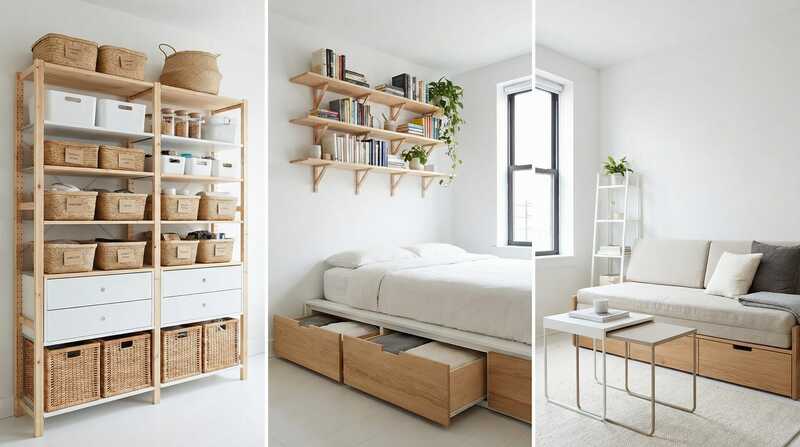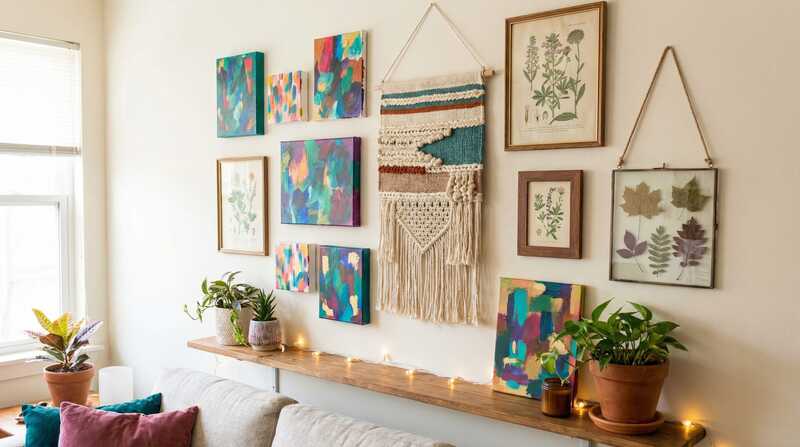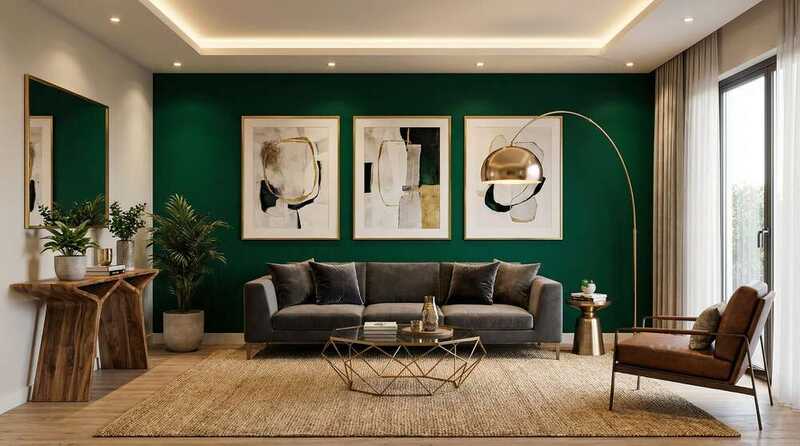
Open shelving has become increasingly popular in kitchens, living rooms, and home offices as both a practical storage solution and a design statement. Unlike closed cabinets, open shelves allow you to display your belongings as part of the decor, turning functional storage into visual interest. The challenge lies in styling them intentionally rather than cluttered, and doing so without spending a fortune on perfectly curated objects.
The Rule of Three
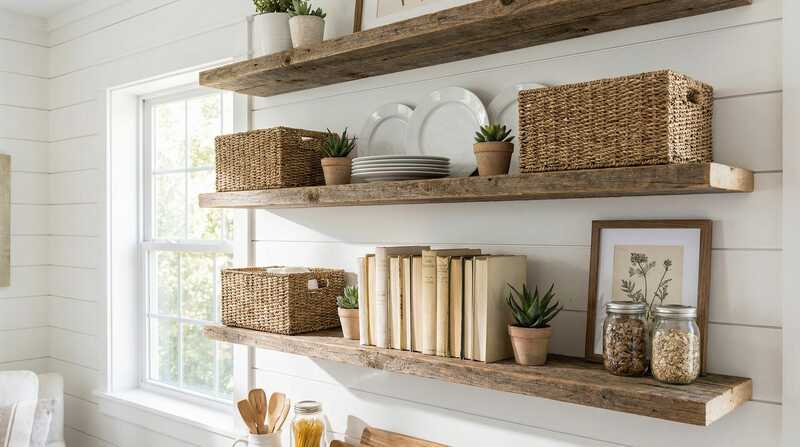
When arranging items on open shelves, group objects in odd numbers—particularly threes. This creates visual balance and interest. Combine items of varying heights within each grouping to add dimension. For example, pair a tall vase with a medium-sized plant and a small decorative object. This principle works whether you are styling kitchen shelves with dishes or living room shelves with books and accessories.
Mix Functional and Decorative
The most successful open shelving combines items you actually use with purely decorative pieces. In kitchens, display everyday dishes, glasses, and mugs alongside a few attractive serving pieces or plants. In living areas, mix books with decorative objects, framed photos, and greenery. This approach keeps shelves from looking like museum displays while maintaining visual appeal.
Create Visual Balance
Distribute visual weight evenly across your shelves. If you place a large, heavy-looking object on the left side of one shelf, balance it with something of similar visual weight on the right side of another shelf. Vary the placement—not everything needs to be centered. Leave some negative space so shelves do not feel overcrowded. Generally, fill shelves about 70-80% full, leaving room for the eye to rest.
Use Color Strategically
A cohesive color palette prevents open shelving from looking chaotic. Choose 2-3 main colors and repeat them throughout your display. White dishes, natural wood, and greenery create a fresh, organic look. Black accents, brass, and navy create sophisticated contrast. Whatever palette you choose, repetition creates visual harmony that ties the display together.
Layer and Stack
Create depth by layering items in front of each other rather than lining everything up in a single row. Lean cutting boards or artwork against the back wall with smaller items in front. Stack books horizontally and vertically for visual variety. This layering technique makes displays look curated and interesting rather than flat and static.
Recommended Products
Open Shelving Essentials
- Floating Shelves ($15-40) - Clean, modern look
- Woven Baskets ($10-30) - Hides clutter stylishly
- Small Plants ($8-20) - Adds life and color
- Decorative Jars ($12-25) - Functional and attractive
Budget Breakdown
Open shelving setup: $50-150 for shelves plus styling accessories. Shop your home first—you likely already own many items perfect for display. Add a few new pieces to fill gaps and create cohesion.