Minimalist Style
Less is more—intentional simplicity for peaceful, uncluttered living
Minimalist design embraces the philosophy that "less is more," creating serene spaces through radical simplification. This aesthetic strips away excess, keeping only what serves a clear purpose or brings genuine joy. Minimalism is perfect for budget decorators because it requires buying less—you save money by not filling spaces with unnecessary items, and the few pieces you do own can be higher quality.
True minimalism isn't about deprivation or cold, empty rooms—it's about intentionality. Every item in a minimalist space is chosen deliberately, creating environments that feel calm, spacious, and free from visual noise.
Key Characteristics
Extreme Simplicity
Only essential items remain visible. Minimalism removes decorative excess, leaving clean surfaces and open space that create visual calm.
Monochromatic Palette
Whites, grays, and blacks dominate with minimal color. The restrained palette creates cohesion and allows form and texture to take center stage.
Quality Over Quantity
Few, well-made pieces replace many cheap items. Minimalism values craftsmanship and longevity over trends and abundance.
Hidden Storage
Clutter disappears behind closed doors. Minimalist spaces use concealed storage to maintain clean, uninterrupted surfaces.
Clean Lines
Geometric forms and simple shapes define furniture. Minimalist pieces avoid ornamentation, letting pure form create visual interest.
Negative Space
Empty space is intentional, not accidental. Minimalism treats open areas as design elements that give rooms breathing room.
Minimalist Color Palette
Pure White
#FFFFFF
Light Gray
#D3D3D3
Medium Gray
#808080
Charcoal Black
#2F2F2F
Accent colors: Minimalism rarely uses color accents, but when it does, single muted tones like soft beige, pale blue, or sage green work best—used sparingly and intentionally.
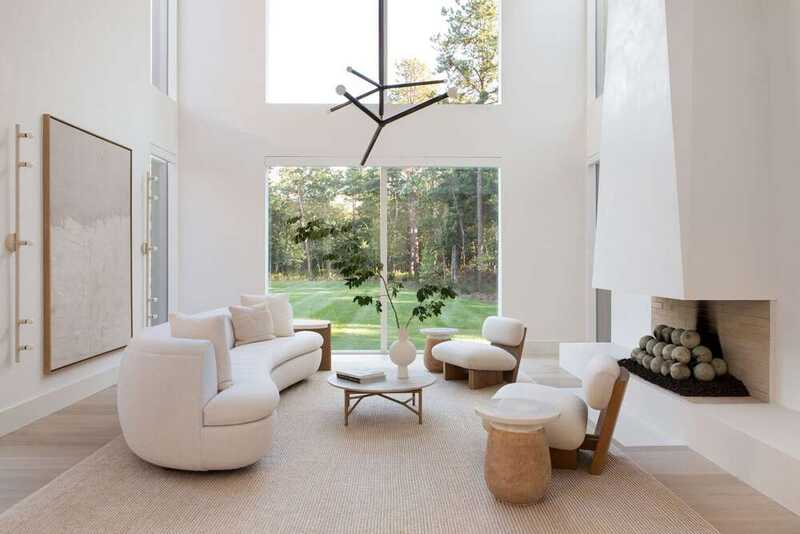
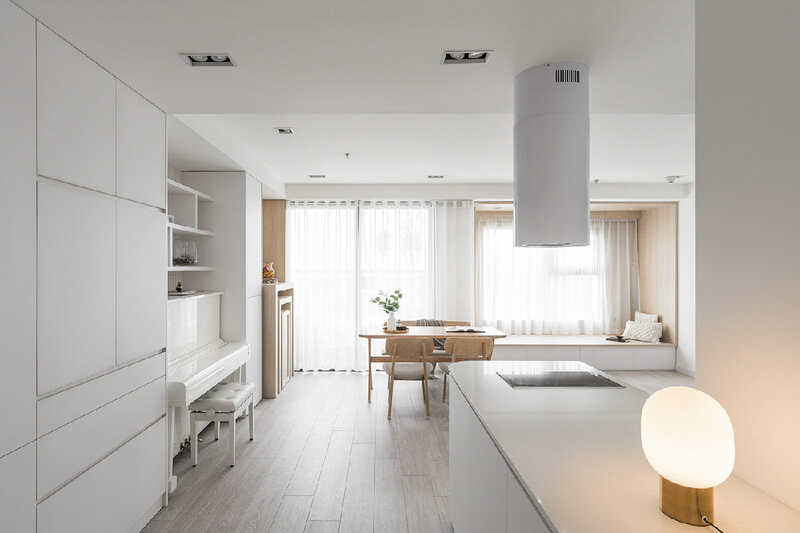
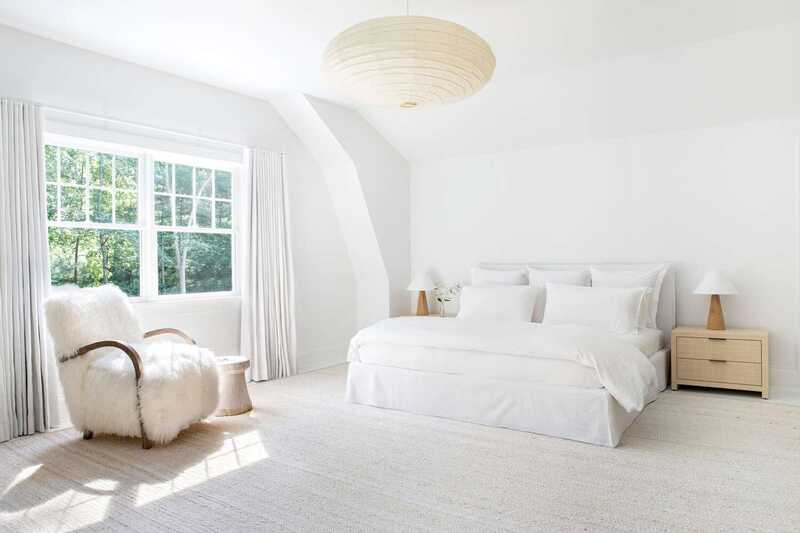
Minimalist Style Inspiration
Budget-Friendly Minimalist Design Tips
Declutter First, Buy Nothing
The cheapest minimalist transformation is removing what you already own. Donate, sell, or discard everything that doesn't serve a clear purpose. This costs nothing and instantly creates the minimalist aesthetic.
Paint Everything White
White walls, trim, and ceilings create the minimalist canvas. This simple, inexpensive change makes spaces feel larger, brighter, and more cohesive—the foundation of minimalist design.
Invest in Multi-Functional Furniture
Buy fewer pieces that serve multiple purposes—storage ottomans, sofa beds, nesting tables. Minimalism values versatility, allowing you to own less while maintaining functionality.
Hide Everything Possible
Use affordable storage solutions to conceal clutter—baskets, boxes, closed cabinets. Minimalism requires hidden storage to maintain clean surfaces without sacrificing practical storage needs.
Choose Quality Over Quantity
Save money by buying one good item instead of several cheap ones. Minimalism's 'less is more' philosophy means your budget goes further when concentrated on fewer, better pieces that last.
Budget-Friendly Minimalist Products
These affordable pieces will help you achieve the minimalist look without breaking the bank
As an Amazon Associate, we earn from qualifying purchases at no additional cost to you.