Small Living Room Layout Mistakes to Avoid: Make Your Space Feel Larger
Small living rooms present unique design challenges, but the most common problem isn't the limited square footage itself—it's the layout mistakes that make compact spaces feel even more cramped. With strategic furniture placement, smart scale choices, and thoughtful design decisions, even the smallest living room can feel spacious, functional, and inviting.
Pin This for Later!
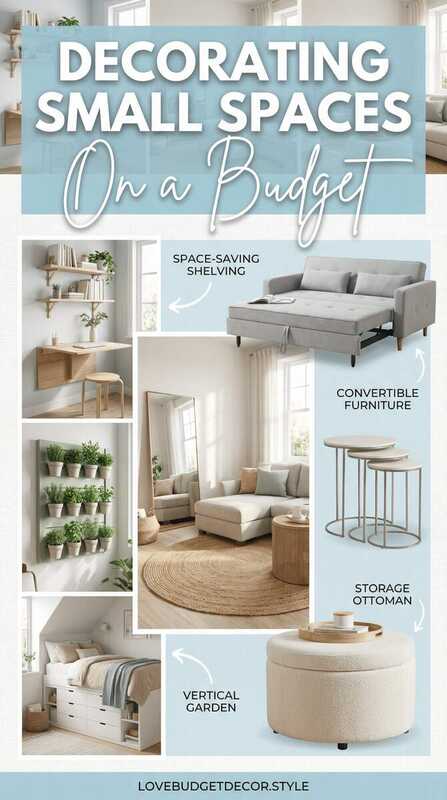
After working with hundreds of readers struggling with small living rooms, I've identified recurring mistakes that consistently make spaces feel smaller than they are. The good news? These errors are completely avoidable, and correcting them often requires rearranging existing furniture rather than purchasing new pieces. Understanding these common pitfalls will help you create a living room that feels open, flows well, and serves your lifestyle—regardless of its actual dimensions.
Mistake #1: Pushing All Furniture Against the Walls
The instinct to push every piece of furniture against the walls seems logical—clearing the center of the room should create more space, right? In reality, this arrangement often makes small living rooms feel awkward and disconnected. Furniture floating away from walls creates intimate conversation areas and can actually make a room feel larger by defining distinct zones within the space. Apartment Therapy's small space experts explain why pulling furniture away from walls is key to better flow.
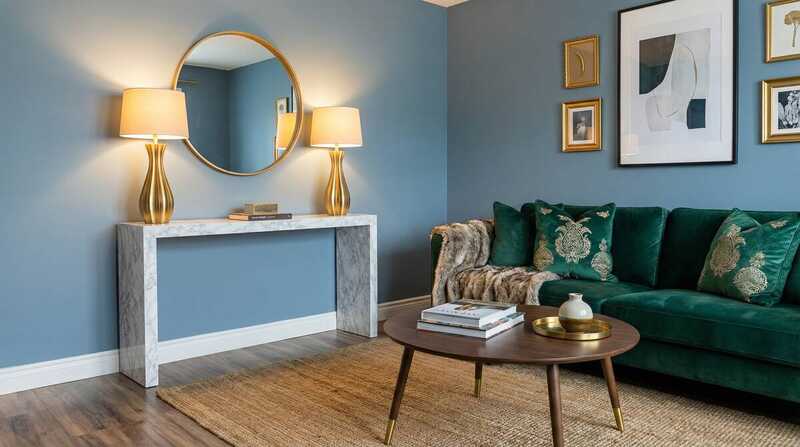
Instead of lining the perimeter, try pulling your sofa a few inches away from the wall. This small adjustment creates depth and makes the room feel more intentionally designed. If space permits, position your sofa to define the seating area, then place a console table behind it. This arrangement creates a visual boundary between the seating area and the rest of the room while providing additional surface space for lamps, books, or decorative objects.
Pro Tip:
In very small spaces (under 150 square feet), you might need to keep larger pieces against walls. But even then, vary the distances—perhaps the sofa sits flush while chairs float slightly forward. This variation creates visual interest and prevents the "furniture showroom" look.
Mistake #2: Choosing Furniture That's Too Large
Oversized furniture overwhelms small living rooms, making them feel cramped and difficult to navigate. That massive sectional might be comfortable, but if it consumes three-quarters of your floor space and leaves narrow pathways, it's the wrong choice for your room.
Scale matters tremendously in small spaces. Look for furniture with exposed legs rather than pieces that sit directly on the floor—this creates visual lightness and makes rooms feel more spacious. A sofa with 4-inch legs allows light and sight lines to flow underneath, whereas a sofa with a solid base creates a visual barrier that makes the room feel heavier. The Spruce's small space experts offers detailed tips on selecting properly scaled pieces for compact rooms.
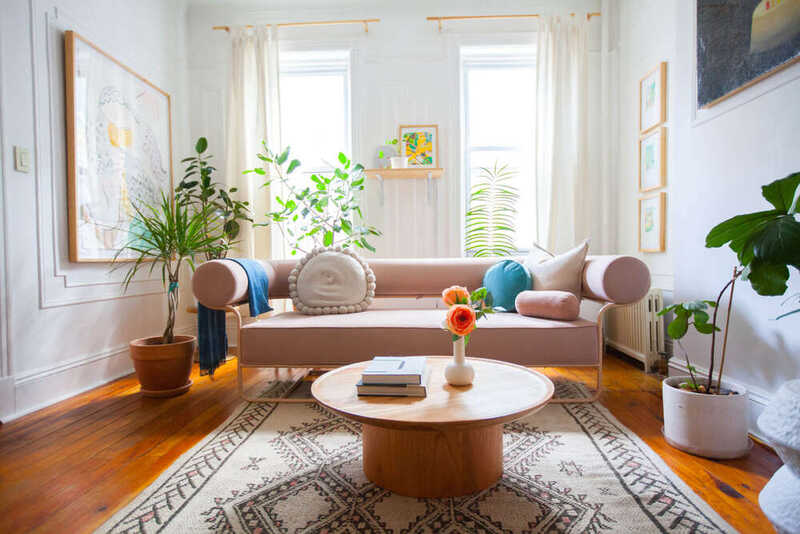
Consider furniture depth carefully. Standard sofas typically measure 36-40 inches deep, but apartment-size sofas at 30-34 inches deep provide comfortable seating while consuming less floor space. This 6-inch difference might not sound significant, but in a small room, it can mean the difference between a cramped space and one that feels comfortable.
When shopping for small-space furniture, bring your room measurements and create a floor plan before purchasing. Many retailers now offer AR (augmented reality) apps that let you visualize furniture in your actual space—use these tools to avoid expensive mistakes.
Mistake #3: Blocking Natural Light and Sight Lines
Natural light makes any space feel larger and more inviting, yet many small living room layouts inadvertently block windows or create obstacles that interrupt sight lines. When you enter a room and can't see all the way through it, the space feels smaller than it actually is.
Avoid placing tall furniture directly in front of windows. If your only logical furniture arrangement requires positioning something near a window, choose low-profile pieces that don't obstruct light. A low bookshelf, bench, or console table can sit beneath a window without blocking natural light, whereas a tall bookcase or cabinet creates a visual barrier.
Similarly, create clear sight lines from the entrance through to the far wall or window. This visual continuity makes rooms feel more spacious. If you must divide a small living room into zones (perhaps separating a seating area from a dining space), use furniture that doesn't completely block views—an open bookshelf, a sofa back, or a console table creates separation while maintaining visual flow.
Mistake #4: Neglecting Vertical Space
When floor space is limited, vertical space becomes your most valuable asset. Yet many small living rooms feature only low furniture, leaving walls bare and failing to capitalize on height. This creates a squat, cramped feeling even in rooms with standard 8-foot ceilings.
Draw the eye upward with tall bookshelves, floor-to-ceiling curtains, and vertically oriented artwork. Tall furniture creates the illusion of higher ceilings while providing storage that doesn't consume additional floor space. A narrow bookshelf that extends to the ceiling offers more storage than a wide, short one while taking up less valuable floor area.
Hang curtains at ceiling height rather than just above the window frame. This simple adjustment makes ceilings appear higher and windows larger. Choose curtains that just kiss the floor or puddle slightly for maximum impact. The vertical lines created by floor-to-ceiling curtains elongate the room and create a sense of grandeur even in compact spaces.
Mistake #5: Using Too Many Small Pieces
While oversized furniture overwhelms small rooms, the opposite extreme—filling a space with many small pieces—creates visual clutter that makes rooms feel chaotic and cramped. A collection of small side tables, ottomans, and accent chairs scattered throughout a room creates a busy, cluttered appearance even if the actual square footage isn't fully utilized.
Instead, choose fewer, slightly larger pieces that serve multiple functions. One substantial coffee table with storage provides more utility and creates less visual clutter than several small side tables. A storage ottoman can serve as extra seating, a footrest, and concealed storage—three functions in one piece.
Recommended Product: Sauder Storage Ottoman
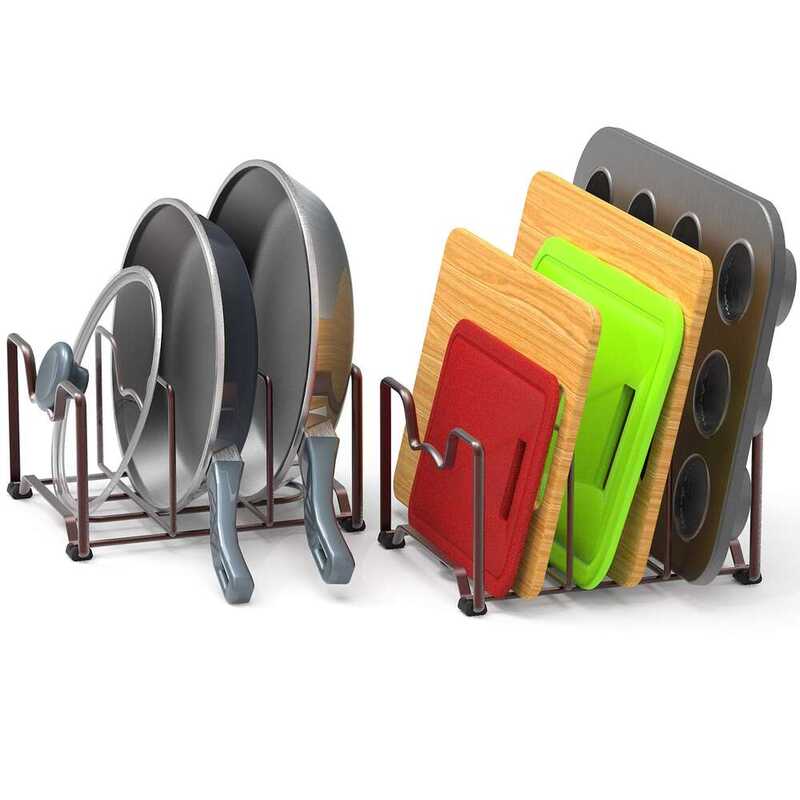
This versatile ottoman provides hidden storage for blankets, magazines, or toys while serving as extra seating or a coffee table with a tray on top.
$80-120
View on AmazonMistake #6: Poor Traffic Flow
A beautiful furniture arrangement means nothing if you can't comfortably walk through your living room. Traffic flow—the paths people take to move through a space—must be considered from the beginning of your layout planning, not as an afterthought.
Maintain clear pathways of at least 30 inches wide, preferably 36 inches, between furniture pieces. This allows people to move through the room without turning sideways or bumping into furniture. The main traffic path through your living room should be obvious and unobstructed—if guests hesitate about how to navigate your space, your layout needs adjustment.
Avoid creating furniture arrangements that force people to walk between the sofa and coffee table to reach other parts of the room. This interrupts conversations and makes the space feel awkward. Instead, position furniture so traffic flows around seating areas rather than through them.
Mistake #7: Ignoring Room Proportions
Not all small living rooms are created equal. A narrow, rectangular room requires different furniture arrangements than a small square room. Ignoring your room's specific proportions leads to layouts that fight against the space rather than working with it.
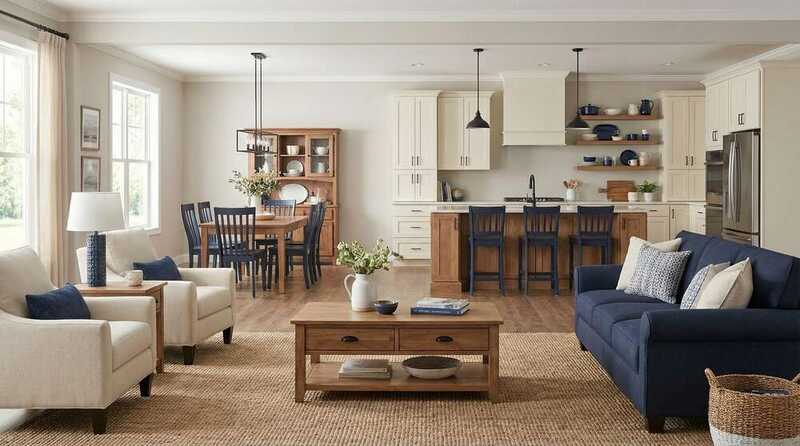
For narrow rooms, avoid placing all furniture along the long walls—this emphasizes the room's tunnel-like quality. Instead, position your sofa perpendicular to the long walls to visually widen the space. Add a pair of chairs or a loveseat opposite the sofa to create a conversation area that breaks up the narrow feeling.
In square rooms, avoid pushing furniture into corners, which creates dead space in the center. Instead, angle furniture slightly or create a diagonal furniture arrangement that makes the room feel larger and more dynamic. This approach works particularly well in very small square rooms where traditional arrangements feel cramped.
Mistake #8: Using Dark Colors Everywhere
While dark colors can create drama and sophistication, using them extensively in small living rooms often makes spaces feel smaller and more enclosed. This doesn't mean you must default to all-white everything, but strategic color choices can significantly impact how spacious your room feels.
Light, neutral wall colors reflect light and make rooms feel more open. Soft whites, warm grays, or pale beiges create an airy backdrop that makes small spaces feel larger. You can still incorporate darker colors through furniture, accessories, and accent walls—just avoid covering every surface in deep, light-absorbing hues.
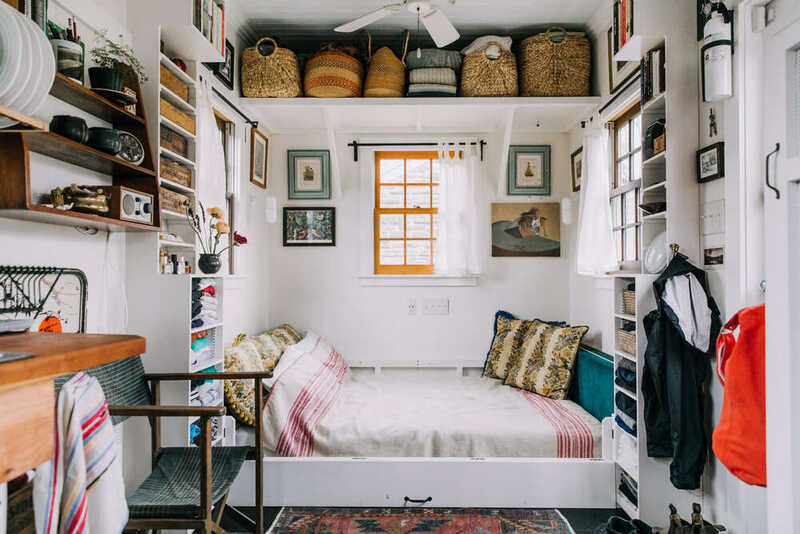
Consider painting your ceiling the same color as your walls, or even slightly lighter. This eliminates the visual boundary between walls and ceiling, making the room feel taller. Similarly, painting trim and molding the same color as walls creates seamless surfaces that make rooms appear larger.
Mistake #9: Inadequate or Poorly Placed Lighting
Lighting dramatically affects how spacious a room feels, yet many small living rooms rely solely on harsh overhead lighting that creates shadows and makes spaces feel smaller. Layered lighting—combining ambient, task, and accent lighting—makes rooms feel larger and more inviting.
Add floor lamps in corners to eliminate dark spots that make rooms feel smaller. Table lamps on side tables or console tables provide task lighting for reading while creating warm pools of light that make spaces feel cozy rather than cramped. If possible, install dimmer switches that let you adjust lighting levels based on time of day and activity.
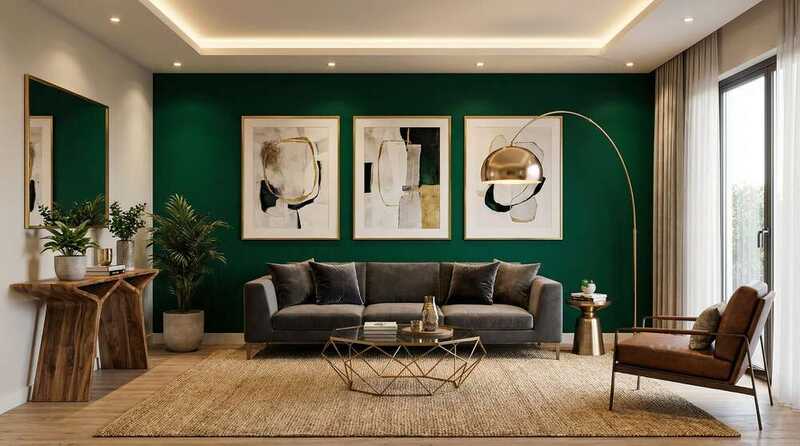
Don't forget about mirrors as lighting enhancers. A large mirror opposite a window reflects natural light throughout the room, effectively doubling your light sources. Mirrors also create the illusion of additional space by reflecting the room back on itself.
Mistake #10: Forgetting About Scale in Accessories
The scale principle that applies to furniture extends to accessories, artwork, and decorative objects. Many small living rooms feature tiny artwork scattered across walls or collections of small decorative items that create visual clutter rather than cohesive design.
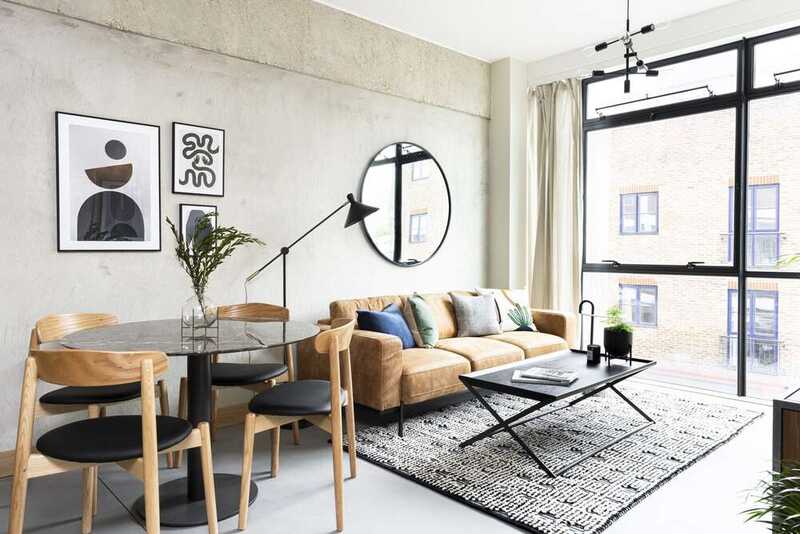
Counterintuitively, larger artwork often works better in small rooms than multiple small pieces. One substantial piece of art creates a focal point and makes walls feel larger, whereas a gallery wall of small frames can make a space feel busy and cramped. If you love gallery walls, limit them to one wall and use consistent frame styles to create cohesion.
The same principle applies to decorative objects. Instead of displaying many small items on shelves or tables, choose fewer, larger pieces that make a statement. Three substantial books stacked on a coffee table look more intentional than a scattered collection of small objects.
Creating Your Ideal Small Living Room Layout
Avoiding these common mistakes creates a foundation for a successful small living room layout, but the specific arrangement that works best depends on your room's dimensions, architectural features, and how you actually use the space.
Start by identifying your room's focal point—typically a fireplace, large window, or entertainment center. Arrange seating to face this focal point, creating a natural conversation area. Ensure everyone seated can comfortably see and hear each other without craning their necks or shouting across the room.
Don't be afraid to experiment with different arrangements. Use painter's tape to mark furniture outlines on the floor before moving heavy pieces. Live with an arrangement for at least a week before deciding whether it works—sometimes layouts that seem awkward initially prove functional once you adjust to them.
Final Thought:
Small living rooms require thoughtful planning, but they also force you to be intentional about what you include—and that intentionality often results in more cohesive, functional spaces than larger rooms where anything goes. Embrace your small living room's limitations as design opportunities rather than obstacles, and you'll create a space that feels perfectly sized rather than cramped.
Affiliate Disclosure: This post contains Amazon affiliate links. When you purchase through these links, we may earn a small commission at no additional cost to you. This helps us continue creating helpful content for budget-conscious decorators.
Love These Tips?
Get your free Budget Decorating Checklist plus weekly design tips and exclusive buying guides delivered to your inbox.