Modern Bedroom Decor Ideas That Don't Feel Cold
Achieve sleek modern design while maintaining warmth and comfort. Learn how to balance contemporary aesthetics with inviting, livable spaces on any budget.
Pin This for Later!
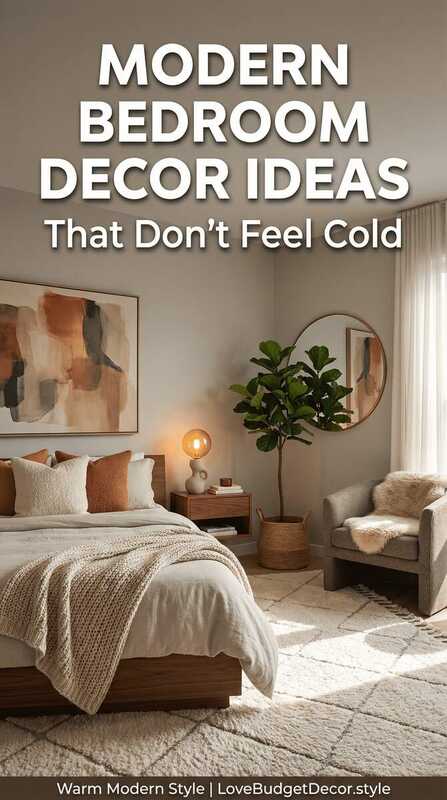
Save this pin to your Pinterest board for easy reference!
Modern bedroom design often gets a bad reputation for feeling cold, sterile, or unwelcoming. The minimalist aesthetic, clean lines, and neutral palettes that define contemporary style can indeed create spaces that feel more like showrooms than sanctuaries. However, modern design doesn't have to sacrifice warmth for style. With thoughtful material choices, strategic layering, and attention to human-centered details, you can create a modern bedroom that feels both sophisticated and genuinely inviting.
The key lies in understanding that "modern" describes a design philosophy—emphasizing function, clean lines, and uncluttered spaces—not a temperature. Better Homes & Gardens design experts note that the most successful modern bedrooms balance contemporary aesthetics with elements that engage the senses and create emotional warmth. This guide shows you how to achieve that balance affordably, creating a modern bedroom that looks magazine-worthy but feels like home.
Choose Warm Materials Over Cold Ones
Material selection dramatically affects whether a modern space feels warm or cold. While modern design often features metal, glass, and concrete, these materials don't have to dominate. Balance them with warmer alternatives that maintain the clean aesthetic while adding tactile and visual warmth. Wood is your greatest ally—whether solid hardwood, quality veneer, or even wood-look alternatives.
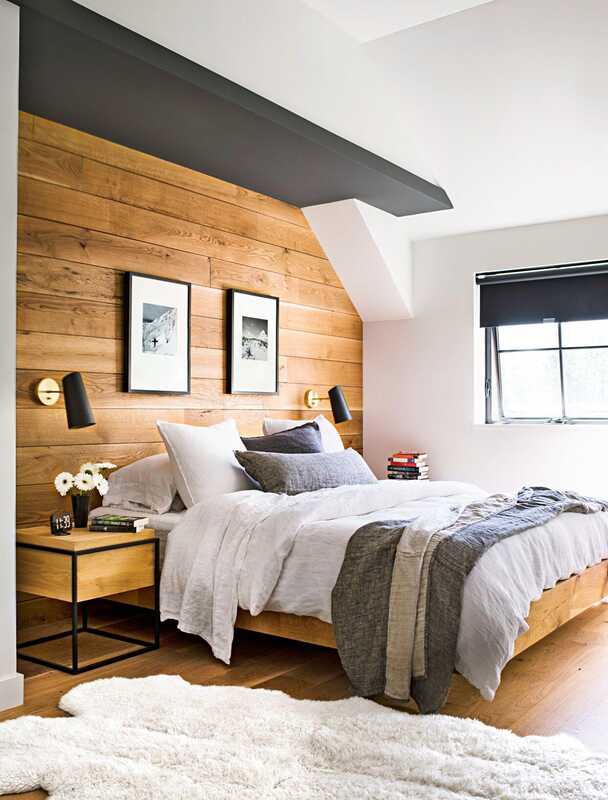
Choose wood furniture with visible grain patterns rather than painted or laminated pieces. The organic patterns and warm tones of natural wood soften the hard edges of modern design. If you're working with existing furniture, consider adding wooden elements through accessories: picture frames, decorative boxes, floating shelves, or a wooden bench at the foot of the bed. Even small wooden accents significantly warm up a space.
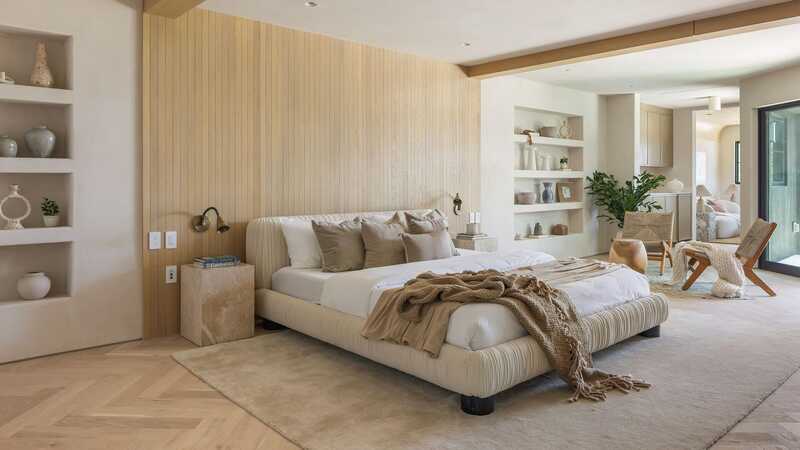
For textiles, choose natural fibers over synthetics. Linen, cotton, wool, and silk have inherent warmth that polyester and microfiber lack. These materials also age beautifully, developing character rather than looking worn. Architectural Digest recommends layering different natural textiles to create depth while maintaining the clean lines essential to modern design.
Layer Textures Without Creating Clutter
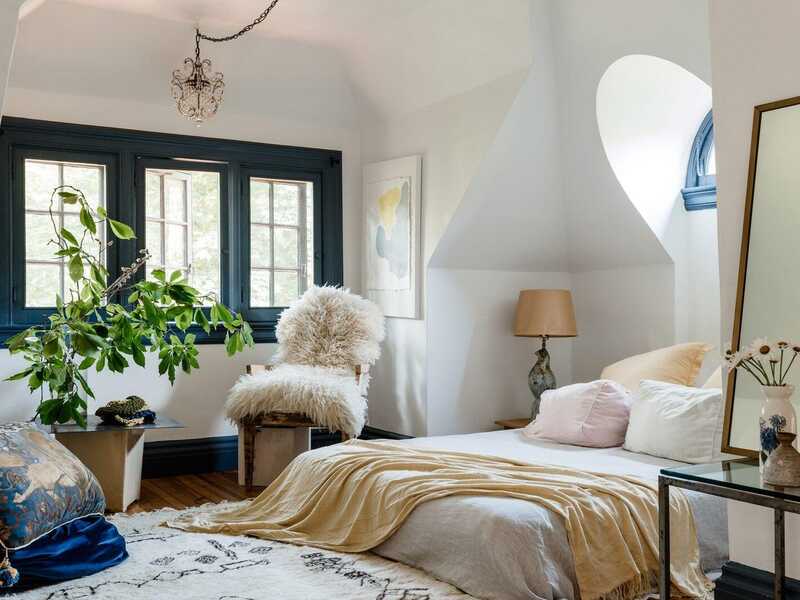
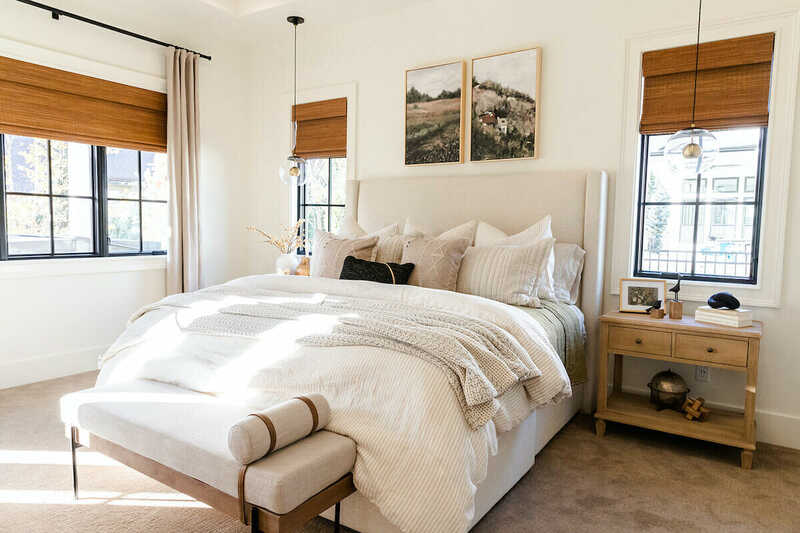
Modern design's emphasis on clean lines doesn't mean surfaces must be bare. The key is layering textures intentionally rather than haphazardly. Start with your bed—the room's focal point. Use a textured duvet or coverlet rather than a flat comforter. Add a throw blanket in a contrasting texture: chunky knit over smooth cotton, or soft faux fur over crisp linen.
Pillows provide texture opportunities without visual clutter. Choose pillow covers in varied materials—linen, velvet, wool, cotton—but keep the color palette cohesive. Three to five pillows in different textures but similar tones create visual interest without the chaos of multiple colors. The textural variety adds warmth while maintaining the streamlined aesthetic.
Extend texture to other surfaces: a woven rug underfoot, linen curtains at windows, a textured ceramic lamp base. These elements add tactile richness that prevents the space from feeling sterile. The key is choosing textures that feel organic and warm—nubby linen, soft wool, smooth wood—rather than cold materials like glass, metal, or plastic.
Warm Up Your Color Palette
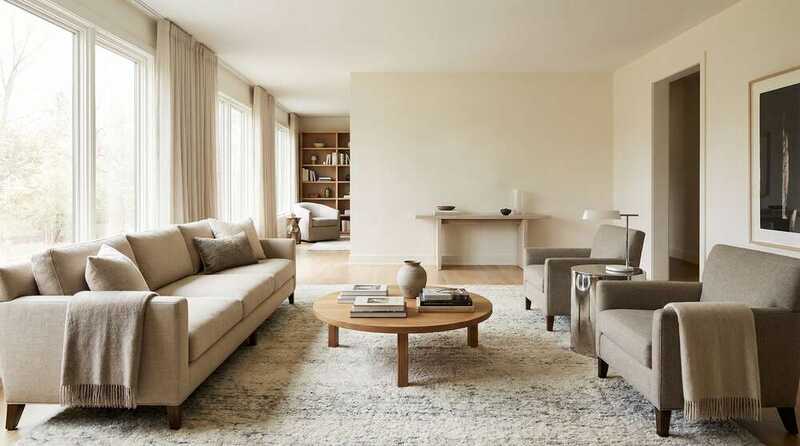
Modern design often relies on neutral palettes, but not all neutrals are created equal. Cool grays, stark whites, and black can indeed feel cold. Instead, choose warm neutrals: greige (gray-beige), warm taupe, cream, soft white, or warm gray with brown undertones. These colors maintain the sophisticated neutral palette while adding inherent warmth.
If you're painting walls, test samples in your actual lighting conditions. Colors that appear warm in the store can read cold in certain light. Look for paint colors described as "warm" or with names suggesting warmth (sand, wheat, latte, mushroom). Even a subtle shift toward warmer undertones makes a significant difference in how the space feels.
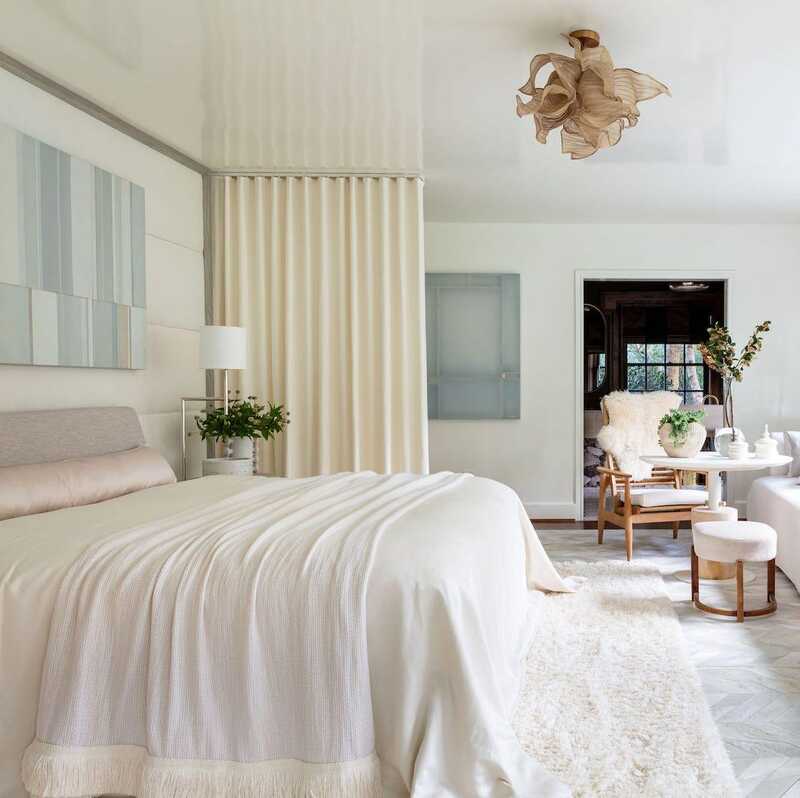
Add warmth through accent colors in the terracotta, rust, warm brown, or golden yellow families. These can appear in throw pillows, artwork, or a single accent wall. The key is using warm accents sparingly—modern design's strength lies in restraint. One or two warm accent colors against a warm neutral backdrop creates sophistication without coldness.
Master Modern Lighting That Feels Warm
Lighting can make or break a modern bedroom's warmth. Harsh overhead lighting—a common feature in modern spaces—creates the cold, clinical feeling people associate with contemporary design. Instead, create layers of warm lighting at different heights. Start by installing a dimmer switch on overhead fixtures, allowing you to adjust brightness to suit different moods and times of day.
Choose bulbs carefully. "Warm white" LED bulbs (2700-3000K) mimic the warm glow of incandescent bulbs and create inviting ambiance. Avoid "cool white" or "daylight" bulbs in bedrooms—these have blue undertones that feel clinical. The color temperature of your bulbs affects the entire room's warmth more than almost any other single factor.
Add task lighting through modern table lamps with warm-toned shades or sculptural floor lamps that provide both function and visual interest. Modern lighting fixtures can be beautiful objects that enhance the design while providing warm illumination. Look for fixtures with brass, bronze, or wood elements rather than chrome or brushed nickel, which read cooler.
Incorporate Organic Elements
Nothing warms a modern space like living elements. Plants bring life, color, and organic shapes that soften the hard lines of contemporary design. Choose plants with interesting forms that complement modern aesthetics: sculptural snake plants, dramatic fiddle leaf figs, trailing pothos, or clusters of small succulents. The key is displaying them in modern containers—simple ceramic pots, geometric planters, or minimalist stands.
Beyond plants, incorporate other natural elements. A bowl of smooth river rocks, a piece of driftwood, or a vase of dried grasses adds organic texture without clutter. These elements connect the space to nature, creating warmth through their inherent irregularity and natural beauty. The Spruce's design team emphasizes that natural elements are essential for preventing modern spaces from feeling sterile.
Consider artwork featuring natural subjects: landscape photography, botanical prints, or abstract pieces inspired by nature. These add visual warmth while maintaining the clean aesthetic. Frame them simply in wood or matte black frames that don't compete with the art itself.
Create Warmth Through Scale and Proportion
Modern design often emphasizes horizontal lines and low-profile furniture, which can make spaces feel expansive but cold. Counter this by varying heights and scales. Add a tall floor lamp, hang artwork at varying heights, or include a tall plant. This vertical variation creates visual interest and makes the space feel more human-scaled and inviting.
Furniture scale matters too. Oversized modern furniture can feel imposing rather than welcoming. Choose pieces that are appropriately scaled for your room size. A massive platform bed might look stunning in a magazine but feel overwhelming in a modest bedroom. Similarly, tiny furniture in a large room creates coldness through emptiness. Proper scale makes spaces feel comfortable and intentional.
Create intimate zones within larger bedrooms. A reading corner with a comfortable chair and lamp, a small desk area, or a meditation space makes the room feel more personal and less like a hotel. These human-scaled zones add warmth by suggesting the space is lived in and loved, not just designed.
Balance Minimalism With Personality
Modern design's minimalist tendencies can create coldness when taken to extremes. A bedroom with nothing but a bed and a lamp feels more like a prison cell than a sanctuary. The solution is selective personalization—displaying meaningful items that don't create visual clutter. Choose a few pieces that truly matter: family photos in simple frames, artwork that resonates emotionally, or objects collected from meaningful travels.
Display these items intentionally rather than scattering them randomly. A small gallery wall of personal photos, a shelf with carefully curated objects, or a single meaningful piece of art creates warmth through personal connection. The key is curation—each displayed item should be something you love, not just filler.
Books add instant warmth and personality to modern bedrooms. Stack a few favorites on your nightstand or create a small bookshelf display. The varied colors and textures of book spines add visual interest while suggesting the space is used for pleasure and relaxation, not just sleeping.
Budget-Friendly Modern Bedroom Essentials
Creating a warm modern bedroom doesn't require expensive designer furniture. Focus your budget on key items that deliver maximum impact: quality bedding in natural fibers, warm-toned lighting, and one or two statement pieces that define the style. Many affordable retailers now offer modern furniture with warm wood tones at accessible price points.
Wood Platform Bed Frame
Clean lines with warm wood tones—the foundation of modern warmth.
Shop Bed Frames →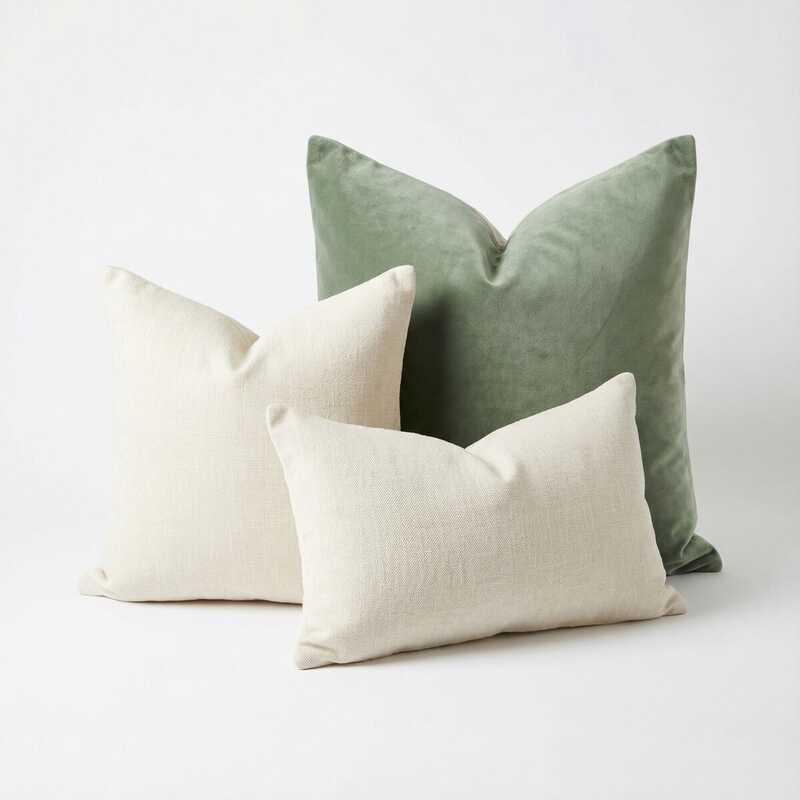
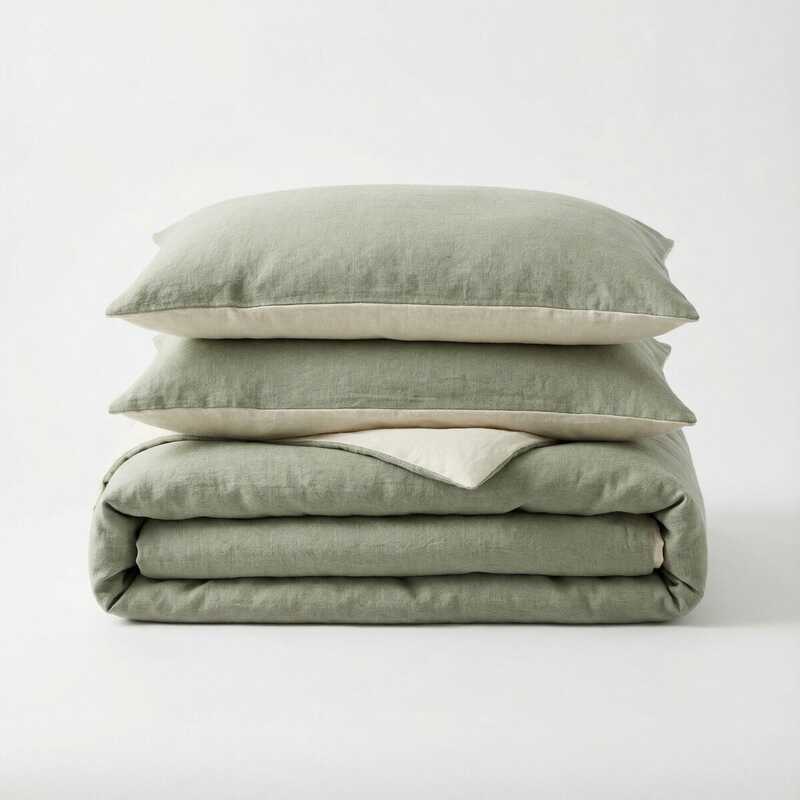
Natural Linen Bedding
Textured natural fiber that adds warmth while maintaining clean aesthetic.
Shop Linen Bedding →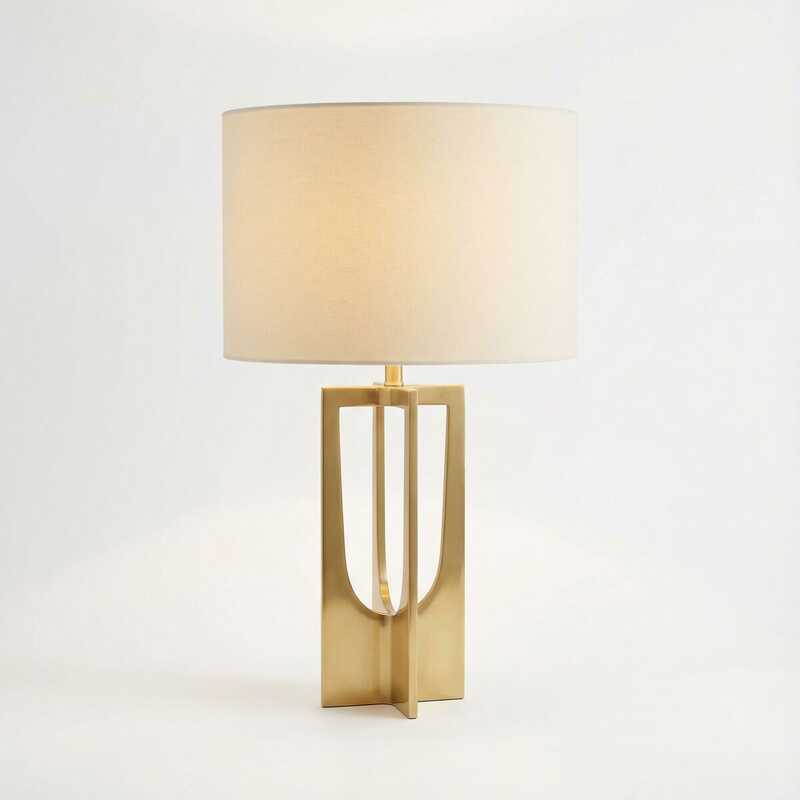
Modern Warm-Tone Lamp
Sculptural lighting in brass or wood that provides warm illumination.
Shop Lamps →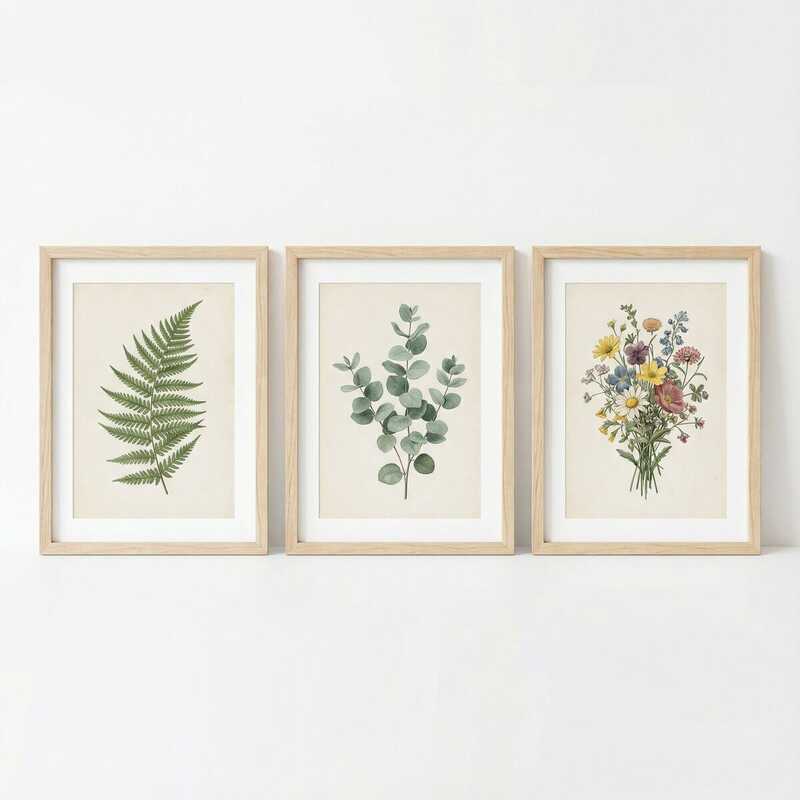
Maintaining Modern Warmth Long-Term
A warm modern bedroom requires thoughtful maintenance. Keep surfaces relatively clear—clutter undermines modern design's clean aesthetic. But don't over-edit; a few carefully chosen items add warmth and personality. Regularly refresh textiles by washing bedding, rotating throw pillows, and updating seasonal elements like lighter throws in summer and heavier ones in winter.
Pay attention to how the space feels at different times of day and in different seasons. You might need additional warm lighting in winter or lighter textiles in summer. The beauty of modern design is its flexibility—you can adjust elements without disrupting the overall aesthetic. Small seasonal tweaks keep the space feeling fresh while maintaining its warm, modern character.
Remember that creating a warm modern bedroom is an ongoing process, not a one-time project. As you live in the space, you'll discover what works and what doesn't. Trust your instincts—if something feels cold, it probably is. The goal is a space that looks sophisticated but feels like home, combining the best of modern design with genuine warmth and comfort.