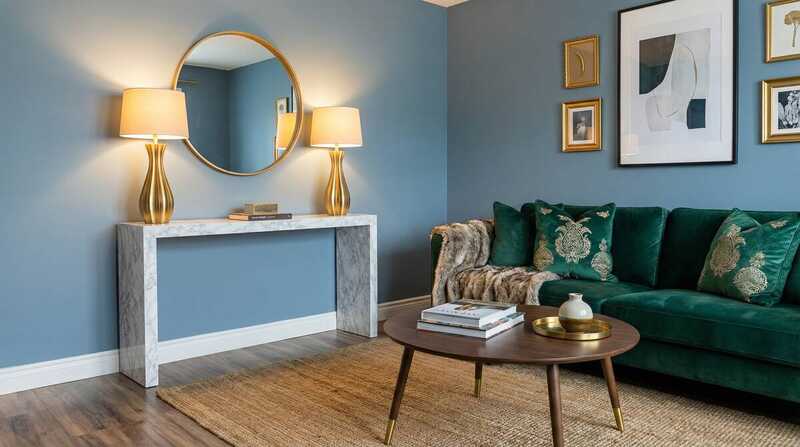
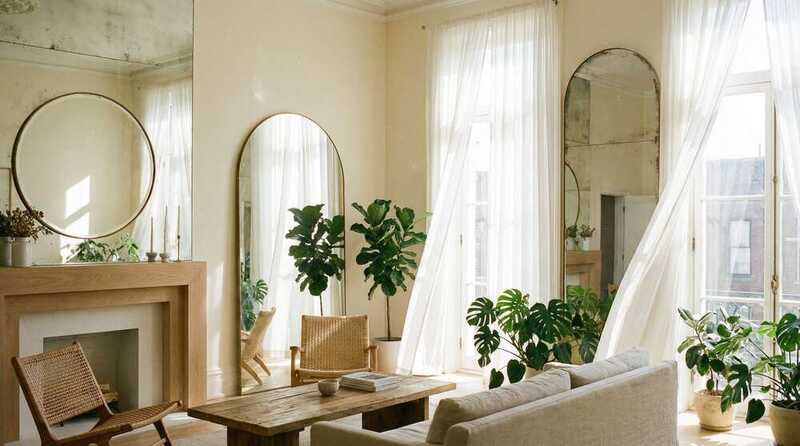
Natural light is the most valuable asset in interior design, yet it is completely free and often underutilized. Bright, naturally lit spaces feel larger, more inviting, and significantly more expensive than their artificially lit counterparts. The psychological benefits are equally impressive—natural light improves mood, increases productivity, and regulates our circadian rhythms for better sleep. Fortunately, maximizing natural light requires strategic thinking rather than expensive renovations, making it one of the most budget-friendly ways to transform your home.
Share This Article
Strategic Mirror Placement
Mirrors are the secret weapon of interior designers when it comes to amplifying natural light, effectively doubling the impact of every window in your space. The key is positioning mirrors directly across from or adjacent to windows so they catch and reflect incoming sunlight deeper into the room. A large mirror placed opposite a window creates the illusion of a second window, dramatically brightening dark corners and making small spaces feel exponentially larger. The effect is most powerful with oversized mirrors—think floor-to-ceiling or at least three feet wide—that capture maximum light and create significant visual impact.
The frame and finish of your mirrors matter almost as much as their placement. Light-colored or metallic frames reflect additional light, while dark heavy frames can actually absorb light and diminish the brightening effect. Consider leaning a large frameless mirror against a wall opposite your brightest window for a casual, collected look that maximizes reflection without the commitment of wall mounting. Multiple smaller mirrors arranged in a gallery wall formation can work equally well, creating interesting patterns of reflected light throughout the day as the sun moves across the sky.
Mirror Placement Rules
• Place directly opposite windows for maximum reflection
• Position at angles to bounce light into dark corners
• Avoid reflecting clutter or unattractive views
• Use larger mirrors for greater impact
• Consider mirror tiles on closet doors in small rooms
Choosing the Right Window Treatments
Window treatments present a delicate balance between privacy, light control, and aesthetic appeal. Heavy drapes and dark blinds may provide excellent privacy, but they also block precious natural light even when open, as their bulk crowds the window frame and casts shadows. The solution is layering sheer curtains with heavier panels, giving you flexibility to maximize light during the day while maintaining privacy when needed. Sheer white or cream curtains filter harsh direct sunlight into a soft, flattering glow while still allowing plenty of brightness to fill the room.
Install curtain rods several inches above the window frame and extend them well beyond the window width on both sides. This allows you to pull curtains completely clear of the glass when open, eliminating any light-blocking fabric from the window area. The higher, wider installation also creates the illusion of larger windows and taller ceilings, making the entire room feel more spacious and grand. For rooms where privacy is not a concern, consider removing window treatments entirely or using only minimal top treatments like valances that frame the window without blocking light.
Light-Reflective Color Schemes
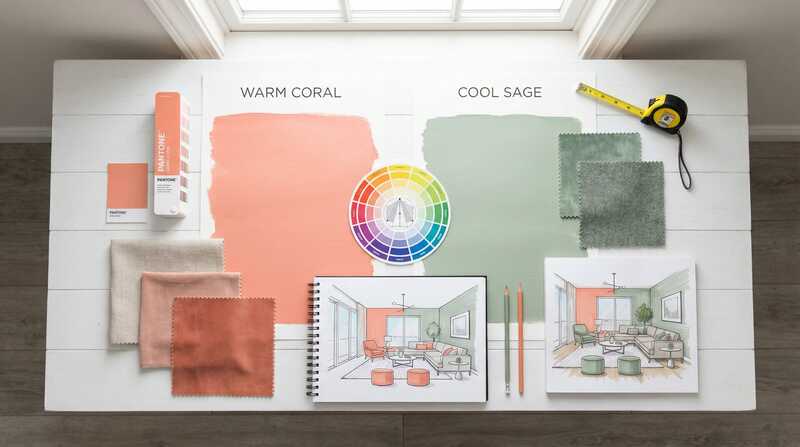
Paint color dramatically affects how light behaves in your space, with the right choices multiplying natural light and the wrong ones absorbing it into darkness. White and light neutral walls reflect up to eighty percent of incoming light, bouncing it around the room and creating an airy, bright atmosphere. This does not mean your space must be stark white—warm whites, soft grays, pale blues, and gentle beiges all reflect light beautifully while adding subtle personality and warmth. The key is choosing colors with high Light Reflectance Value (LRV), a measurement that indicates how much light a color reflects on a scale from zero (absolute black) to one hundred (pure white).
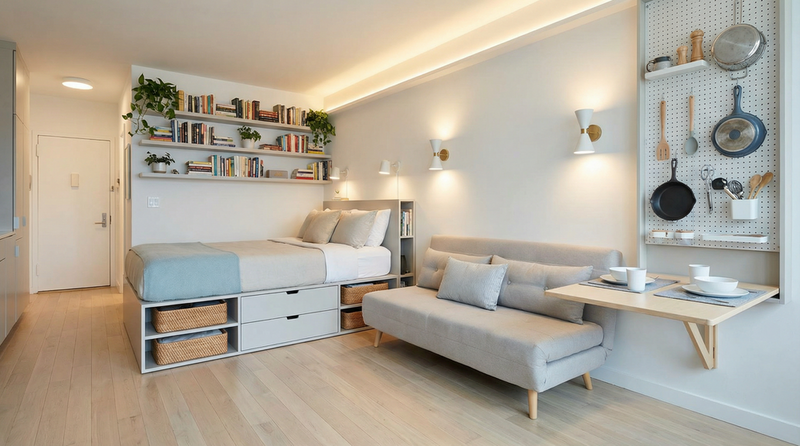
Extend your light-reflective strategy beyond walls to ceilings, trim, and even floors when possible. Painting ceilings a shade lighter than walls creates the illusion of height and reflects light downward into the space. White or light-colored trim around windows and doors frames natural light sources and enhances their impact. Light-colored flooring, whether painted wood, pale laminate, or cream carpeting, reflects light upward and prevents the visual weight that dark floors create. Even furniture choices matter—light-colored upholstery and natural wood tones keep spaces feeling open and bright, while dark heavy furniture can make even well-lit rooms feel cave-like.
Furniture Arrangement for Light Flow
The way you arrange furniture directly impacts how natural light moves through your space, yet this crucial factor is often overlooked in favor of traffic patterns and conversation groupings. Avoid placing tall furniture pieces like bookcases, armoires, or high-backed sofas directly in front of windows or in pathways where light naturally travels from windows into the room. Instead, position these larger pieces against solid walls where they will not interrupt light flow. Keep window areas as clear as possible, using only low-profile furniture like benches or small tables that allow light to pass over them unobstructed.
Create intentional sight lines from windows through the room, allowing light to penetrate as deeply as possible into your space. In open floor plans, arrange furniture to avoid creating barriers between windows and interior areas. Use transparent or reflective furniture materials like glass-topped tables, lucite chairs, or mirrored accent pieces that allow light to pass through or bounce off rather than being absorbed. Even small changes like switching from a solid wood coffee table to a glass one can noticeably brighten a room by eliminating a light-blocking surface in the center of your space.
Keeping Windows Crystal Clear
This seems obvious, yet dirty windows are one of the most common barriers to natural light in homes. A film of dust, pollen, and grime accumulates gradually, reducing light transmission by up to forty percent without being obviously noticeable. Commit to cleaning both the interior and exterior of your windows at least quarterly, more often if you live in a dusty or high-pollen area. The difference is immediately dramatic—rooms suddenly feel brighter and views become crisp and clear. Use a simple solution of vinegar and water with a microfiber cloth for streak-free results without expensive commercial cleaners.
Do not forget window screens, which can block up to thirty percent of incoming light even when clean. Remove and wash screens seasonally, and consider removing them entirely during months when you do not need them for ventilation or insect protection. The improvement in light quality and quantity is remarkable and costs absolutely nothing. While you are at it, trim any overgrown bushes or tree branches that block windows from the outside. Even strategic pruning that allows more light to reach your windows can transform a dim room into a bright, cheerful space.
Window Cleaning Schedule
Monthly: Quick interior wipe-down of high-use windows
Quarterly: Deep clean interior and exterior of all windows
Seasonally: Remove and wash window screens
Annually: Professional cleaning for hard-to-reach windows
Reflective Surfaces and Finishes
Beyond mirrors, incorporating various reflective surfaces throughout your space amplifies natural light in subtle but significant ways. Glossy paint finishes on walls, trim, and furniture reflect more light than flat or matte finishes, though they also show imperfections more readily. Semi-gloss or satin finishes offer a good compromise, providing light-reflective properties while being more forgiving than high-gloss options. Metallic accents like brass lamps, chrome fixtures, or silver picture frames catch and scatter light, creating sparkle and visual interest while brightening the space.
Consider the reflective properties of your decorative accessories and textiles. Silk and satin fabrics shimmer and reflect light beautifully in throw pillows and curtains. Glass vases, crystal bowls, and metallic trays on coffee tables and shelves create multiple points of light reflection throughout the room. Even something as simple as switching from matte ceramic planters to glazed or metallic ones adds light-reflecting surfaces that contribute to the overall brightness of your space. The cumulative effect of many small reflective elements creates a luminous, expensive-looking environment without any single dramatic change.
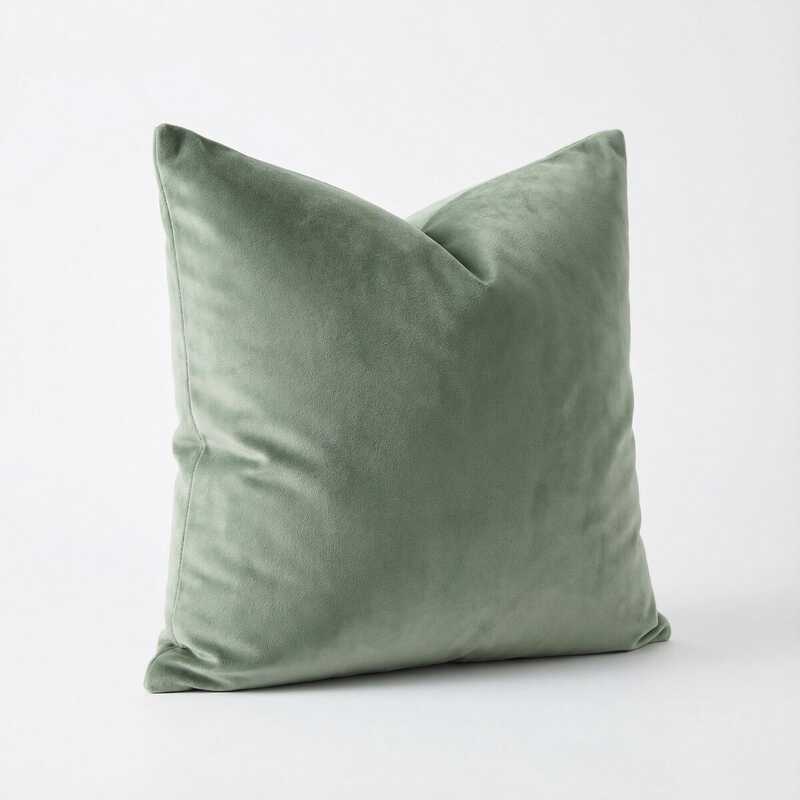
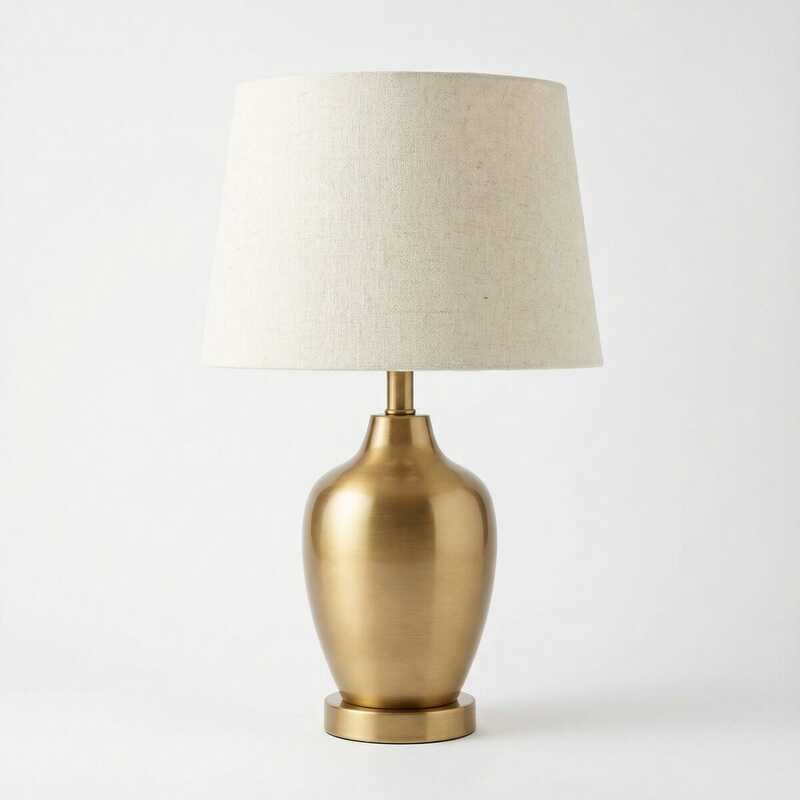
Recommended Light-Maximizing Products
Related Articles
Affiliate Disclosure: This post contains affiliate links. When you purchase through these links, we may earn a small commission at no additional cost to you. This helps support our blog and allows us to continue providing free content. We only recommend products we genuinely believe in.