
The Art of Layering Textiles: Create Cozy, Designer-Worthy Rooms
Learn the designer secret of layering textiles to transform any room from stark to sophisticated. This comprehensive guide shows you exactly how to mix textures, patterns, and fabrics for a high-end look on a budget.
Share This Article
Walk into any designer showroom or luxury hotel, and you'll notice one thing immediately: layers upon layers of beautiful textiles. Throw pillows in varying sizes, blankets casually draped over furniture, curtains that puddle on the floor, and rugs layered over hardwood. This intentional layering is what separates a room that feels complete from one that feels unfinished—and it's surprisingly affordable to achieve.
Why Textile Layering Makes Such a Dramatic Difference
Textiles serve multiple purposes in interior design. They add warmth and softness to hard surfaces, introduce color and pattern without permanent commitment, absorb sound to make rooms feel quieter and more intimate, and create visual depth through varying textures and heights. A room with only hard surfaces—wood, metal, glass—feels cold and unwelcoming, no matter how expensive the furniture.
The beauty of textile layering is that it's one of the most budget-friendly ways to elevate a space. You don't need to replace furniture or repaint walls. A few well-chosen throws, pillows, and rugs can completely transform the feeling of a room, making it look more expensive and feel more inviting. The key is understanding how to layer strategically, not just pile on random fabrics.
The Foundation: Understanding Textile Categories
Before you start layering, it helps to understand the three main categories of textiles in home decor: foundational textiles (large pieces like rugs, curtains, and upholstery that anchor the room), accent textiles (throw pillows, blankets, and table runners that add personality), and functional textiles (bedding, towels, and kitchen linens that serve practical purposes but can still be decorative).
Think of layering like getting dressed. You start with foundational pieces (like pants and a shirt), add layers for warmth and interest (sweaters, scarves), and finish with accessories (jewelry, bags). The same principle applies to rooms—start with your large, foundational textiles, then layer in accents and functional pieces that complement the base.
The Layering Formula: Texture, Pattern, and Scale
Mixing Textures (The Most Important Element)
Texture is more important than color or pattern when it comes to successful layering. A room with varied textures feels rich and sophisticated, even if everything is the same color. Aim to include at least three different textures in each room: smooth (silk, satin, polished cotton), nubby (linen, burlap, raw silk), plush (velvet, chenille, faux fur), and chunky (cable knit, woven wool, macramé).
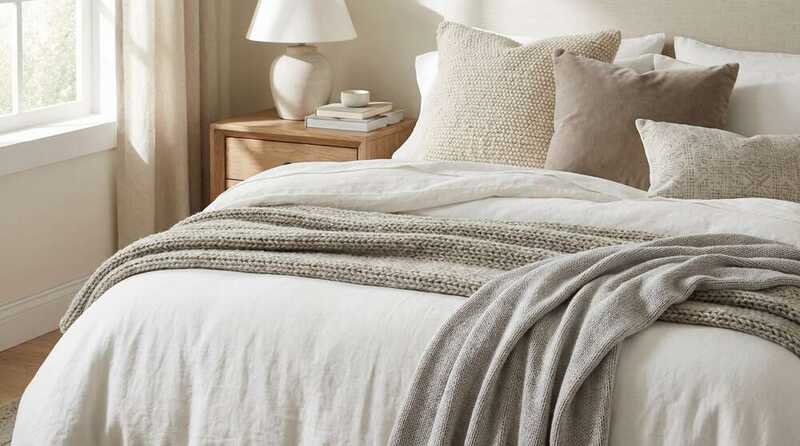
In a living room, this might mean smooth velvet pillows paired with a chunky knit throw and a nubby linen sofa. In a bedroom, layer smooth cotton sheets with a textured duvet, velvet pillows, and a chunky knit blanket at the foot of the bed. The contrast between textures creates visual interest and makes each piece stand out, rather than blending into a monotonous backdrop.
Balancing Patterns (The 60-30-10 Rule)
When mixing patterns, use the 60-30-10 rule: 60% of your textiles should be solid or very subtle patterns (this grounds the space), 30% should be your main pattern (this becomes the focal point), and 10% should be a complementary accent pattern (this adds surprise and personality). This formula prevents pattern overload while keeping things interesting.
Choose patterns that share at least one color to create cohesion. For example, pair a blue and white striped pillow with a blue floral throw and solid blue curtains. The shared blue ties everything together, while the different patterns add variety. Vary the scale of patterns too—pair large-scale florals with small-scale geometrics, or bold stripes with tiny dots.
Playing with Scale (Size Matters)
Varying the size of your textile elements creates visual hierarchy and prevents the "matchy-matchy" look. On a sofa, use pillows in at least three different sizes: large (22-24 inches), medium (18-20 inches), and small (16 inches or lumbar). Layer throws in different sizes too—a large blanket draped over the back of the sofa, with a smaller throw folded on the arm.
The same principle applies to rugs. Layering a smaller patterned rug over a larger neutral one adds depth and interest while defining different zones within a room. This technique is especially effective in open-concept spaces where you want to visually separate the living area from the dining area without using walls.
Room-by-Room Layering Strategies
Living Room: The Sofa as Your Canvas
Your sofa is the perfect place to practice textile layering. Start with 5-7 throw pillows in varying sizes, textures, and patterns. Arrange them symmetrically (two large pillows in the corners, three medium pillows in front) or asymmetrically (clustered on one side) depending on your style. Add one or two throws—drape one casually over the back, fold another on the arm.
Don't forget the floor. Layer an area rug over hardwood or carpet to define the seating area. If you're feeling adventurous, layer a smaller vintage or patterned rug over a larger neutral jute or sisal rug for added dimension. Add curtains that puddle slightly on the floor (1-2 inches) for a luxurious, relaxed look.
Bedroom: Create a Five-Star Hotel Experience
The bed is the ultimate textile layering opportunity. Start with quality sheets (even budget sheets can look expensive if they're crisp and well-ironed). Add a duvet or coverlet, then layer a textured throw blanket at the foot of the bed. Top with 4-8 pillows in varying sizes: two sleeping pillows, two Euro shams (26 inches), two standard shams, and two decorative accent pillows in front.
The key to making a bed look magazine-worthy is height and dimension. Stack your pillows so they lean against each other rather than lying flat. Fold your throw blanket in thirds lengthwise and drape it across the foot of the bed at an angle. Add a textured rug beside the bed for warmth underfoot when you wake up.
Dining Room: Soft Touches in a Hard Space
Dining rooms are often dominated by hard surfaces—wood tables, metal chairs, glass cabinets. Soften the space with layered textiles. Start with a large area rug under the table (extending at least 24 inches beyond the table on all sides to accommodate pulled-out chairs). Add upholstered seat cushions or chair pads for comfort and color.
Layer table linens for special occasions: a neutral tablecloth as the base, topped with a patterned table runner down the center. Add cloth napkins in a complementary color, and consider curtains or Roman shades to soften the windows. These small touches make the dining room feel more intimate and inviting, perfect for long dinner conversations.
Bathroom: Unexpected Luxury
Bathrooms are often overlooked when it comes to textile layering, but they're the perfect place to add spa-like luxury. Start with plush bath mats (layer a smaller patterned mat over a larger neutral one). Add multiple towel sets in coordinating colors—display rolled hand towels in a basket, hang bath towels on hooks, and fold washcloths on the counter.
Don't forget the shower curtain, which is essentially a large textile canvas. Choose one with texture or pattern, and layer it with a white liner behind for a clean, finished look. Add a small stool or bench with a folded throw blanket or extra towels for a hotel-inspired touch.
Quick Layering Tips for Every Room
Start with Neutrals
Choose neutral foundational pieces (rugs, curtains, large pillows) so you can easily swap accent textiles seasonally without replacing everything.
Embrace Imperfection
Perfectly arranged textiles look staged. Casually drape throws, slightly rumple pillows, and let curtains puddle naturally for a lived-in, welcoming feel.
Shop Your Home First
Before buying new textiles, gather what you already own and experiment with different combinations. You might discover perfect pairings you already have.
Change with the Seasons
Swap lightweight linens and cottons in summer for heavier velvets and wools in winter. This keeps your space feeling fresh and appropriate for the weather.
Don't Forget Vertical Surfaces
Hang textiles on walls (tapestries, quilts, woven wall hangings) to add warmth and sound absorption, especially in rooms with high ceilings.
Common Textile Layering Mistakes to Avoid
Using Too Many Patterns
While mixing patterns is encouraged, too many competing patterns creates visual chaos. If you're unsure, err on the side of more solids and fewer patterns. You can always add more pattern later, but it's harder to edit down once you've gone overboard.
Matching Everything Exactly
Perfectly matched textile sets (like those "8-piece comforter sets") look dated and impersonal. Mix and match pieces from different sources for a more collected, sophisticated look. The slight variations in shade and texture make the space feel curated rather than bought all at once.
Ignoring Texture in Favor of Color
Many people focus solely on color coordination and forget about texture. A room with all smooth fabrics in coordinating colors still feels flat and boring. Prioritize texture variety first, then worry about color coordination.
Skimping on Quality for Visible Pieces
While budget textiles are fine for most applications, invest in higher quality for pieces that get touched frequently or are prominently displayed. A cheap-feeling throw pillow on your sofa gets noticed every time someone sits down. Save money on hidden pieces (like mattress pads) and splurge on visible, tactile items.
Forgetting About Scale
Using all the same size pillows or all small-scale patterns makes a room feel monotonous. Vary sizes and scales to create visual interest and hierarchy. Your eye should move around the room, discovering new details, rather than taking in everything at once.
Budget-Friendly Textiles for Layering
You don't need to spend a fortune to achieve a beautifully layered look. These budget-friendly textiles deliver high-end style without the designer price tag:
Your 4-Week Textile Layering Action Plan
Ready to transform your space with layered textiles? Follow this step-by-step plan for the best results:
Week 1 - Audit and Plan: Take inventory of all textiles you currently own. Lay them out and group by color, texture, and pattern. Identify gaps (need more texture? more neutrals? larger pillows?). Take photos of your rooms to see what's missing from a visual perspective.
Week 2 - Shop Strategically: Based on your gaps, make a targeted shopping list. Prioritize foundational pieces first (rugs, curtains, large pillows), then accent pieces. Look for sales at home goods stores, check thrift stores for unique textiles, and compare prices online before buying.
Week 3 - Experiment and Layer: Start layering your textiles, beginning with foundational pieces and working up to accents. Try different combinations—take photos of each arrangement to compare later. Don't be afraid to mix pieces you wouldn't normally pair together. Sometimes the best combinations are unexpected.
Week 4 - Refine and Adjust: Live with your layered textiles for a week, making small adjustments as needed. Remove anything that doesn't work, add more where spaces feel bare. Step back and assess the overall balance—does your eye move around the room comfortably, or does one area dominate?
Seasonal Textile Swaps for Year-Round Freshness
One of the best things about textile layering is how easily you can refresh your space seasonally. Keep a storage bin for off-season textiles and swap them out 2-4 times per year. This keeps your home feeling current and appropriate for the weather, without requiring a complete redesign.
Spring/Summer: Swap to lightweight linens, cottons, and gauzy fabrics in light colors (whites, soft blues, pale greens). Remove heavy throws and replace with lighter blankets. Switch to crisp cotton or linen bedding.
Fall/Winter: Bring out heavier textures like velvet, wool, and faux fur in richer colors (deep blues, burgundy, forest green, charcoal). Add chunky knit throws, flannel sheets, and plush pillows. Layer rugs for extra warmth underfoot.
Final Thoughts
Mastering the art of textile layering is one of the most impactful skills you can develop as a home decorator. It's affordable, flexible, and immediately transformative. Unlike furniture or paint, textiles can be swapped out seasonally or whenever you want a change, making them the perfect way to keep your home feeling fresh and current.
Start small—add a few throw pillows or a new blanket—and build from there. Pay attention to texture first, then pattern and color. Don't be afraid to experiment and trust your instincts. If a combination feels right when you touch it and look at it, it probably is. The goal is creating a space that feels as good as it looks, inviting you to sink in and stay awhile.
Related Articles
Affiliate Disclosure: This post contains affiliate links, which means we may earn a small commission if you make a purchase through these links, at no additional cost to you. We only recommend products we genuinely believe will help you create a beautiful home on a budget. Read our full affiliate disclosure for more information.