Kitchen Organization Hacks That Actually Work: Transform Your Most-Used Space
A well-organized kitchen doesn't just look better—it fundamentally changes how you cook, eat, and live. When every item has a designated home and you can find what you need within seconds, meal preparation becomes less stressful and more enjoyable. The best part? Achieving this level of organization doesn't require a complete kitchen renovation or expensive custom cabinetry.
Pin This for Later!
The kitchen presents unique organizational challenges because it serves multiple functions simultaneously. It's a food storage facility, cooking workspace, dining area, and often a social hub where family and friends gather. This multi-purpose nature means you're juggling cookware, dishes, small appliances, pantry items, cleaning supplies, and countless other categories—all competing for limited space.
Over the years of helping readers optimize their kitchens, I've discovered that successful kitchen organization follows three core principles: accessibility (keeping frequently used items within easy reach), visibility (being able to see what you have to avoid duplicate purchases), and flexibility (systems that adapt as your cooking habits evolve). The strategies and products I'm sharing today embody these principles while remaining budget-friendly and achievable for any kitchen size or configuration.
Start with a Complete Kitchen Audit
Before purchasing any organizational products, you need a clear understanding of what you own and how you actually use your kitchen. This audit process might seem tedious, but it prevents the common mistake of buying storage solutions that don't match your actual needs.
Begin by emptying one category at a time—don't try to tackle your entire kitchen in one day. Start with your pantry, then move to cookware, dishes, small appliances, and finally utensils and gadgets. As you remove items, ask yourself three questions: When did I last use this? Do I have duplicates? Does this item earn its space in my kitchen? Be ruthless about items that don't make the cut. That bread maker you used once three years ago or the mismatched plastic containers without lids are prime candidates for donation or disposal.
Pro Tip:
Place a "maybe" box in your garage or basement for items you're unsure about. If you don't retrieve anything from this box within three months, you've proven you don't need those items. This approach helps overcome the "but I might need it someday" mentality that keeps kitchens cluttered.
Once you've pared down to essentials, group remaining items by category and frequency of use. Daily-use items (coffee maker, everyday dishes, cooking oils) should occupy prime real estate—the spaces between shoulder and knee height that don't require reaching or bending. Occasionally used items (special occasion serveware, seasonal baking supplies) can live in harder-to-reach cabinets or higher shelves.
Pantry Organization: Creating a System That Maintains Itself
A disorganized pantry wastes money through forgotten ingredients that expire and duplicate purchases because you can't see what you already own. The solution lies in creating zones and using clear containers that make inventory instantly visible.
Start by establishing zones based on meal types or food categories. Create a breakfast zone (cereals, oatmeal, coffee, tea), a baking zone (flour, sugar, baking powder, chocolate chips), a snack zone, a pasta and grains zone, and a canned goods zone. This categorical organization means you always know where to look for specific items and can quickly assess what needs replenishing.
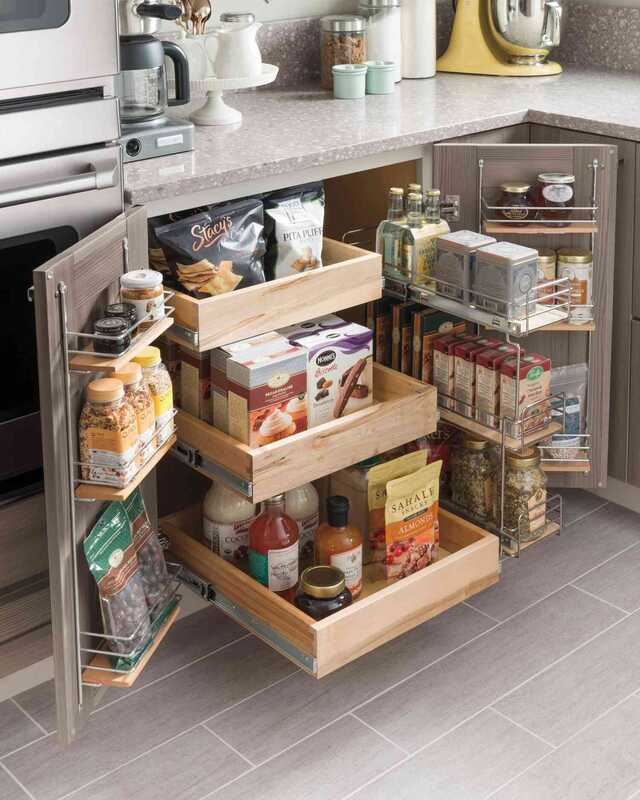
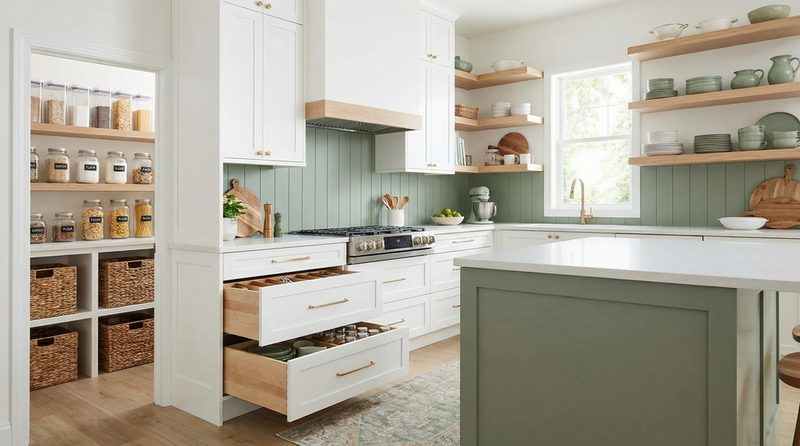
Clear, airtight containers are non-negotiable for pantry organization. They keep food fresh longer, prevent pest problems, and most importantly, let you see at a glance what you have and how much remains. Decant cereals, pasta, rice, flour, sugar, and other bulk items into uniform containers. This creates visual cohesion while maximizing space—square and rectangular containers stack more efficiently than original packaging.
Recommended Product: SimpleHouseware Stackable Storage Containers
These BPA-free containers come in multiple sizes with airtight lids. The clear design lets you see contents instantly, and they stack efficiently to maximize vertical space.
$25-40 for multi-piece sets
View on AmazonLabels are your pantry's best friend. Even if you live alone and think you'll remember what's in each container, labels prevent confusion and help maintain your system over time. Use a label maker for a polished look, or simply write on masking tape with a permanent marker for a budget-friendly option. Include the item name and, if you're particularly organized, the expiration date or purchase date.
Don't overlook vertical space in your pantry. Stackable shelf risers effectively double your storage capacity by creating two levels where you previously had one. Use them for canned goods, jars, or small packaged items. Similarly, over-the-door organizers can hold spices, snack bags, or cleaning supplies without consuming any shelf space.
Drawer Organization: Ending the Utensil Jumble
Kitchen drawers quickly become chaotic catch-alls where utensils tangle together and small items disappear into corners. The solution is simple: drawer dividers that create designated spaces for each category of items.
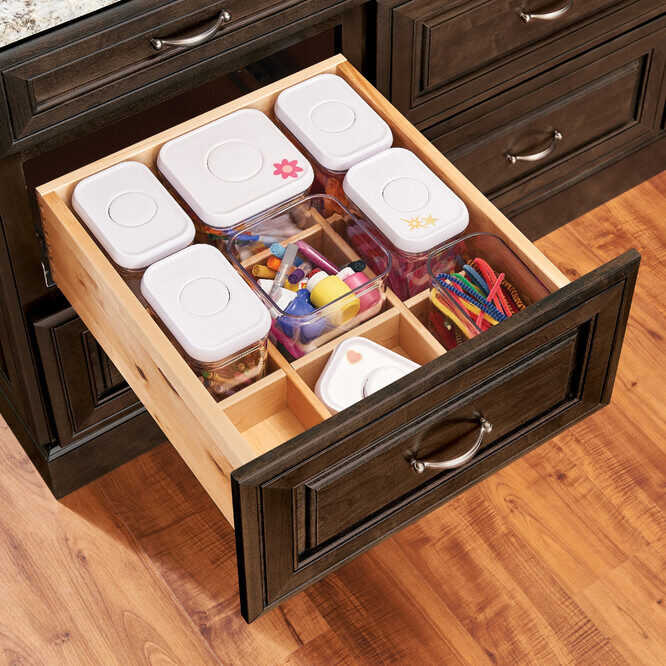
For your primary utensil drawer, invest in an expandable drawer organizer with multiple compartments. Assign each compartment a specific purpose: one for forks, one for spoons, one for knives, one for serving utensils, and so on. The key is maintaining these assignments consistently—when you unload the dishwasher, each item returns to its designated spot.
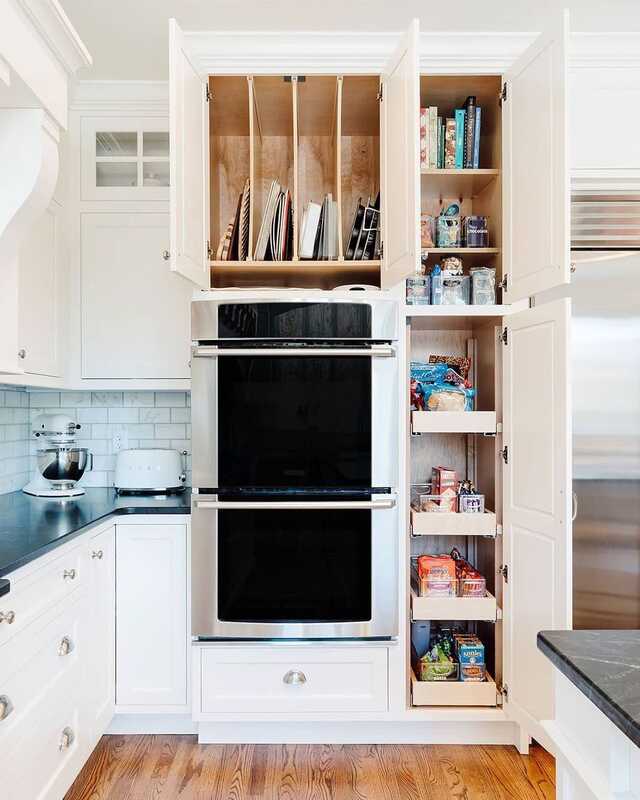
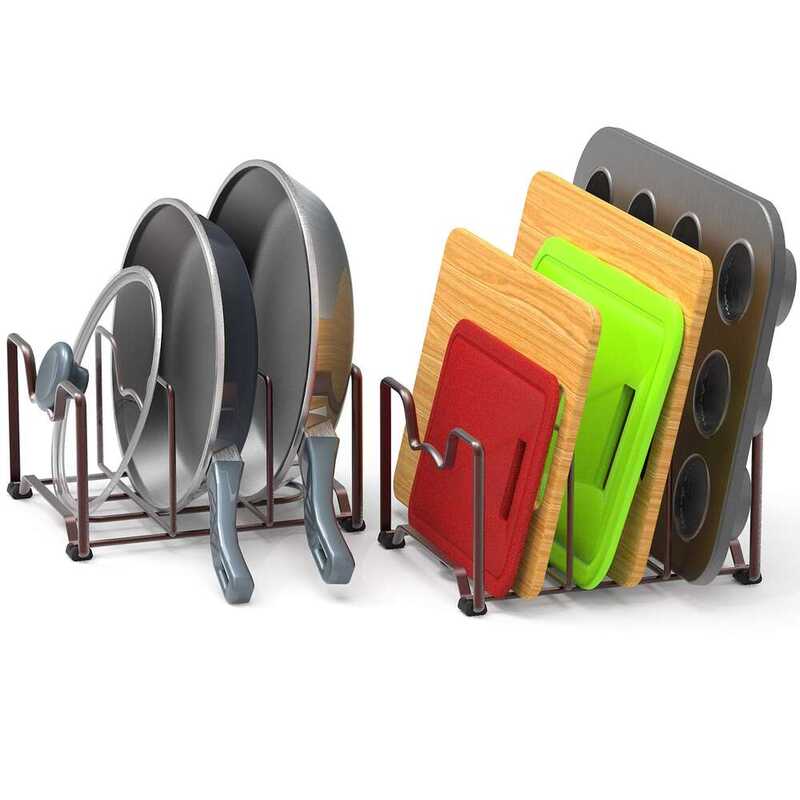
Deep drawers present special organizational opportunities. Rather than stacking pots and pans (which requires removing the top items to access those beneath), use adjustable drawer dividers to store cookware vertically. This arrangement lets you grab any pan without disturbing others, significantly speeding up meal preparation. The same principle applies to baking sheets, cutting boards, and pot lids—vertical storage beats stacking every time.
For the notorious "junk drawer" that every kitchen seems to accumulate, embrace its existence but impose structure. Use small containers or drawer organizers to create zones for batteries, twist ties, rubber bands, pens, and other miscellaneous items. The goal isn't eliminating the junk drawer—it's ensuring you can actually find things when you need them.
Cabinet Optimization: Maximizing Vertical and Corner Spaces
Standard kitchen cabinets waste enormous amounts of space, particularly in height and depth. Most cabinets are much taller than the items they contain, and corner cabinets often become black holes where items go to be forgotten. Strategic use of organizational products can reclaim this lost space.
Stackable shelf risers work as effectively in cabinets as they do in pantries. Place them in cabinets where you store plates, bowls, or mugs to create two usable levels. This simple addition can nearly double your storage capacity without any permanent modifications to your cabinets.
Pull-out organizers transform deep cabinets from frustrating spaces where items get lost in the back to fully accessible storage. These sliding shelves or baskets let you see and reach everything, even items stored at the very back. They're particularly valuable under the sink, where plumbing often creates awkward spaces around pipes. Pull-out organizers can be configured to work around these obstacles while maximizing usable space.
Recommended Product: Rev-A-Shelf Pull-Out Organizer
These sliding organizers install easily in existing cabinets and provide full access to items stored in the back. Available in various widths to fit different cabinet sizes.
$30-60 depending on size
View on AmazonLazy Susans are the classic solution for corner cabinets, and they remain popular because they work. These rotating trays make every item accessible with a simple spin, eliminating the need to reach blindly into dark corners. Use them for spices, oils, canned goods, or any frequently accessed items. For extra-deep corner cabinets, consider a two-tier lazy Susan that maximizes vertical space while maintaining easy access.
Don't forget about the inside of cabinet doors—this often-overlooked space can accommodate hooks, small shelves, or pocket organizers. Mount hooks to hang measuring cups and spoons, install a narrow shelf for spices, or attach a pocket organizer for plastic wrap, aluminum foil, and sandwich bags. These additions don't consume any interior cabinet space while keeping frequently used items readily accessible.
Spice Organization: From Chaos to Culinary Efficiency
Spice collections tend to grow organically over time, resulting in a jumbled mess where you can never find the cumin when you need it. An organized spice system saves time during cooking and prevents buying duplicates of spices you already own but can't locate.
The first step is consolidating your spices into uniform containers. This might seem excessive, but it creates visual harmony and makes labels easier to read. Transfer spices from their original containers into matching jars, then label each one clearly. Arrange them alphabetically so you can find any spice within seconds.
For storage location, consider how often you cook and how many spices you own. If you cook frequently and have an extensive collection, a drawer organizer that lets you view all spices at once is ideal. Tiered drawer inserts or expandable drawer organizers work beautifully for this purpose. If drawer space is limited, wall-mounted magnetic spice racks or narrow pull-out organizers that fit between the stove and counter can provide accessible storage without consuming valuable cabinet or counter space.
Small Appliance Storage: Clearing Counter Clutter
Small appliances present a storage dilemma: you want them accessible for regular use, but leaving them all on the counter creates visual clutter and reduces workspace. The solution depends on how frequently you use each appliance.
Appliances you use daily (coffee maker, toaster) earn their counter space. Everything else should be stored but remain easily accessible. Create an appliance garage—a dedicated lower cabinet where you can quickly retrieve and return appliances without carrying them across the kitchen. If your cabinets lack the depth for larger appliances, consider a rolling cart that can be tucked into a pantry or corner when not in use.
For appliances with multiple attachments (stand mixers, food processors), keep all components together in a single location. Store attachments in a labeled container or bag next to the base unit so you're not hunting through multiple cabinets when you need a specific blade or beater.
Refrigerator and Freezer Organization
Refrigerator organization directly impacts food waste and grocery spending. When you can see everything you have, you're more likely to use ingredients before they spoil and less likely to buy duplicates.
Use clear bins to create zones in your refrigerator: one for dairy, one for vegetables, one for fruits, one for condiments, and one for leftovers. This categorical organization makes unloading groceries faster and helps everyone in your household know where items belong. Label bins if multiple people use your kitchen.
Implement a "first in, first out" system by placing newer items behind older ones. This rotation ensures you use ingredients before they expire. For leftovers, use clear containers and label them with contents and date. Designate one shelf as the "eat first" zone for items approaching their expiration dates.
In the freezer, flat storage maximizes space and makes items easier to identify. Transfer soups, sauces, and other liquids into freezer bags, flatten them to remove air, and stack them like files in a drawer. Label everything clearly—frozen food becomes unidentifiable surprisingly quickly.
Maintaining Your Organized Kitchen
The most beautifully organized kitchen will descend into chaos without maintenance systems. The key is making organization so convenient that maintaining it requires less effort than letting things become messy.
Implement a "one in, one out" rule for kitchen items. When you acquire a new pot, donate an old one. This prevents gradual accumulation that overwhelms your storage systems. Similarly, conduct a quick pantry audit every few months to remove expired items and consolidate partially used packages.
Make returning items to their designated spots part of your cooking routine. As you finish using an ingredient or tool, immediately return it to its home rather than leaving it on the counter for later. This habit takes seconds but prevents the gradual buildup of clutter that requires major cleanup sessions.
Final Thought:
Kitchen organization is not a one-time project but an ongoing practice. The systems you establish should make your daily cooking routine easier and more enjoyable. If you find yourself fighting against your organizational system, adjust it. The best organization is the one you'll actually maintain, not the one that looks perfect in photos but proves impractical for your lifestyle.
Affiliate Disclosure: This post contains Amazon affiliate links. When you purchase through these links, we may earn a small commission at no additional cost to you. This helps us continue creating helpful content for budget-conscious decorators.
Love These Tips?
Get your free Budget Decorating Checklist plus weekly design tips and exclusive buying guides delivered to your inbox.