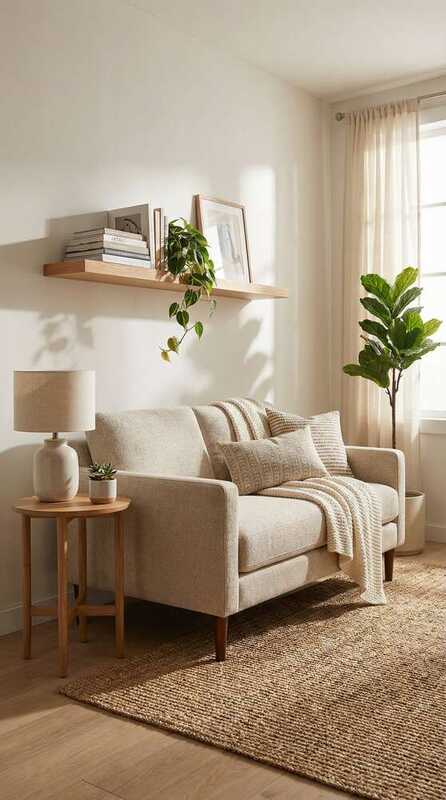
The secret to expensive-looking decor isn't spending more—it's knowing where and when to shop. With the right strategies, you can furnish your entire home with pieces that look like they came from a designer showroom, all while staying well within your budget. Whether you're hunting for a statement chandelier, a vintage Persian rug, or designer throw pillows, these seven proven tactics will help you find luxury items at a fraction of their retail prices.
Share This Article
1. Master the Art of Timing
Timing is everything when it comes to scoring deep discounts on home decor. Retailers follow predictable patterns for clearance sales, and knowing these cycles can save you hundreds of dollars. Furniture stores typically clear out inventory in January and July to make room for new collections. Outdoor furniture hits rock-bottom prices in September and October. Holiday decor goes on clearance the day after each holiday—think 75% off Christmas items on December 26th.
Major shopping holidays like Black Friday, Cyber Monday, and Presidents' Day Weekend offer significant savings, but don't overlook smaller sale events. Many retailers have flash sales on Tuesdays and Wednesdays when foot traffic is slower. Sign up for email alerts from your favorite stores, but create a dedicated email address for promotional messages to avoid inbox overload.
Honey Browser Extension
Automatically finds and applies coupon codes at checkout
Free
2. Shop Secondary Markets Like a Pro
Secondary markets are goldmines for high-end decor at bargain prices. Facebook Marketplace has exploded in recent years, with people selling everything from West Elm sofas to Restoration Hardware dining tables at 50-70% off retail. The key is knowing how to search effectively. Use specific brand names in your searches ("Pottery Barn," "Crate & Barrel," "CB2") and set up saved searches with notifications so you're alerted the moment something new is posted.
Estate sales are another incredible resource, especially in affluent neighborhoods. Websites like EstateSales.net let you preview sales in advance, and many estate sale companies post photos of items online. Arrive early on the first day for the best selection, or wait until the final hours of the last day when prices drop dramatically. Don't be afraid to make offers—estate sale companies want to move inventory.
Consignment stores specializing in home furnishings are popping up in cities across the country. These stores curate high-quality, gently used pieces and typically price them at 40-60% below retail. The inventory turns over quickly, so visit regularly. Some consignment stores will even call you when specific items you're looking for come in.
EstateSales.net App
Find estate sales and auctions in your area with photos
Free
3. Leverage Retail Return Policies
Major retailers have a dirty little secret: they can't resell returned or slightly damaged items at full price, so they discount them heavily. Target's clearance section often has open-box home decor items at 30-50% off. Home Depot and Lowe's have dedicated clearance aisles where you'll find floor model light fixtures, slightly dented appliances, and discontinued tile at massive discounts.
Furniture stores sell floor models at steep discounts when new inventory arrives. That $2,000 sectional you've been eyeing? It might be $800 as a floor model with minor wear that's barely noticeable. Ask sales associates when they rotate floor displays—many stores do this quarterly. Warehouse stores like Costco and Sam's Club have "scratch and dent" sections, though you'll need to visit in person as these items aren't listed online.
Amazon Warehouse is an underutilized resource for home decor. These are customer returns and open-box items sold at 15-50% off. The condition is clearly described, and items are backed by Amazon's return policy. I've purchased "used - like new" throw pillows, picture frames, and even a chandelier that looked brand new but cost half the retail price.
4. Use Price Tracking and Alerts
Price tracking tools take the guesswork out of knowing when to buy. CamelCamelCamel tracks Amazon price history and sends alerts when items drop to your target price. Keepa offers similar functionality with a browser extension that shows price history charts directly on Amazon product pages. For other retailers, Honey's Droplist feature monitors prices across thousands of stores.
Here's my strategy: When I find something I want, I add it to a price tracker and set an alert for 20-30% below the current price. Then I wait. Patience pays off—I've saved hundreds of dollars by waiting a few weeks or months for prices to drop. This works especially well for seasonal items. That outdoor rug you want in March? Wait until August and you'll likely pay 40% less.
CamelCamelCamel Price Tracker
Track Amazon price history and get drop alerts
Free
5. Follow the Right Accounts
Social media has become a powerful tool for finding deals if you know where to look. Instagram accounts like @targetdoesitagain, @homegoods_obsessed, and @marshalls_finds post daily finds from discount retailers. These accounts often spot clearance items before they're widely discovered, giving you a head start.
Facebook groups are even more valuable for local deals. Join "Buy Nothing" groups in your area where people give away items for free. I've scored a barely-used West Elm coffee table, designer curtains, and countless decor pieces through these groups. Also join local home decor buy/sell/trade groups where people sell items they're replacing.
Reddit communities like r/frugal, r/HomeDecorating, and r/ThriftStoreHauls are treasure troves of deal-finding strategies and inspiration. Users share their finds, where they found them, and how much they paid. You'll learn which stores in your area have the best clearance sections and when they typically mark items down.
6. Know Your Dupes and Alternatives
Designer dupes have come a long way—many are virtually indistinguishable from the originals. The key is knowing which items are worth buying as dupes and which require investing in the real thing. Decorative items like vases, picture frames, throw pillows, and mirrors are almost always safe dupe purchases. The quality difference is minimal, but the price difference is massive.
Target's Threshold and Studio McGee collections offer incredible dupes for Pottery Barn and West Elm pieces. Amazon has become surprisingly good for home decor dupes, especially for trendy items like boucle chairs, arched mirrors, and rattan furniture. Search for the designer item you want, then add "dupe" or "look for less" to your search. Bloggers and Instagram accounts dedicated to dupes have done the comparison work for you.
When shopping for dupes, pay attention to materials and construction. Read reviews carefully and look at customer photos. A $50 "marble" coffee table might look great in professional photos but arrive as cheap plastic. Stick to reputable retailers with good return policies so you can send items back if they don't meet expectations.
Boucle Accent Chair
Trendy textured chair (West Elm dupe at 1/3 the price)
$180-250
7. Strategic Thrifting
Thrifting for home decor requires patience and a trained eye, but the payoff can be extraordinary. I've found vintage brass candlesticks, original oil paintings, solid wood furniture, and designer glassware at thrift stores for pennies on the dollar. The key is knowing what to look for and what to avoid.
Always buy: Solid wood furniture (it can be refinished), brass and copper items (they polish up beautifully), vintage glassware and ceramics, picture frames (spray paint transforms them), books for styling, and natural fiber baskets. Avoid: Upholstered furniture (unless you can see it's clean and bed-bug free), particle board furniture (it falls apart), electronics (often broken), and anything with strong odors that won't wash out.
Visit thrift stores in affluent neighborhoods where donations tend to be higher quality. Go on weekdays when stores are less picked over. Many thrift stores have specific discount days—Goodwill often does 50% off certain color tags on Sundays. Estate sale leftovers often end up at thrift stores, so ask staff when they receive new donations.
Don't be afraid to see potential in pieces that need work. A dated wooden dresser becomes stunning with fresh paint and new hardware. Tarnished brass lamps shine like new with a quick polish. Outdated picture frames transform with metallic spray paint. Basic refinishing supplies cost $30-50 and can save you hundreds on furniture.

Real Find: $1,000 Globe Bar for $299
This stunning vintage globe bar stand with its rich wood frame and brass accents retails for over $1,000 new. We found this exact piece at a local thrift store for just $299—a 70% savings. The globe opens to reveal interior storage for bottles and glassware, and the craftsmanship is impeccable. This is the perfect example of why thrifting in affluent neighborhoods pays off. High-end pieces like this are donated when homeowners redecorate, and patient shoppers reap the rewards. The key was recognizing quality construction and timeless design, even with the thrift store price tag.
Furniture Refinishing Kit
Everything needed to restore thrifted wood furniture
$35-50
Bonus Tips for Maximum Savings
Stack your savings by combining multiple strategies. Use a cash-back credit card when shopping sales. Sign up for store loyalty programs—many offer additional discounts and early access to sales. Buy gift cards at a discount through sites like Raise before making purchases. Some stores offer military, teacher, or student discounts that stack with sales.
Consider buying refurbished items directly from manufacturers. Many furniture brands have outlet sections on their websites where they sell returned, slightly damaged, or discontinued items at 40-60% off. These pieces are often inspected and repaired before being sold, and they come with warranties.
Finally, buy off-season whenever possible. Purchase outdoor furniture in fall, holiday decor in January, and bedding in January and July when white sales happen. Retailers need to clear seasonal inventory, and you benefit from their urgency to make space for new products.
Start Saving Today
Finding expensive decor at rock-bottom prices isn't about luck—it's about strategy. You don't need to implement all seven tactics at once. Start with one or two that feel most accessible to you. Set up price alerts for items on your wishlist, or spend a Saturday morning visiting estate sales in your area. Join a few Facebook groups and follow some deal-finding Instagram accounts.
The beautiful thing about these strategies is that they compound over time. As you get better at spotting deals, knowing when to buy, and recognizing quality pieces, you'll furnish your home with items that look expensive because they are expensive—you just didn't pay expensive prices for them. Your guests will never know the difference, but your bank account will.