Blank walls can make even the most beautifully furnished room feel incomplete, yet original artwork often carries price tags that put it out of reach for budget-conscious decorators. The solution lies in creating your own wall art—a surprisingly accessible endeavor that requires more creativity than artistic skill. With basic supplies and simple techniques, you can produce gallery-worthy pieces that reflect your personal style while spending less than you would on a single mass-produced print.
Abstract Canvas Art
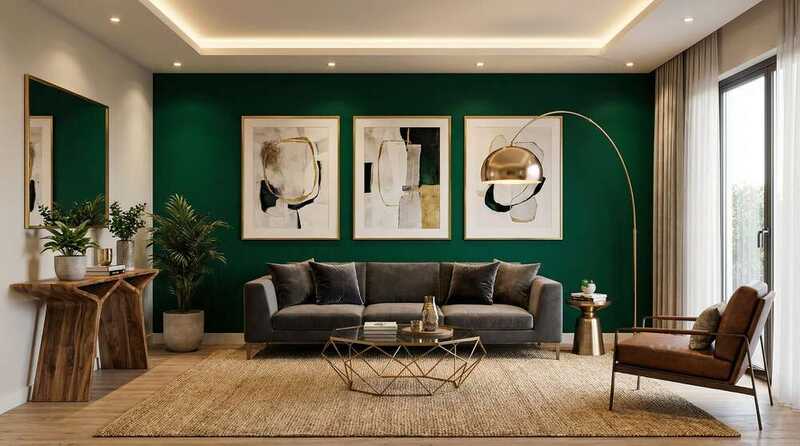
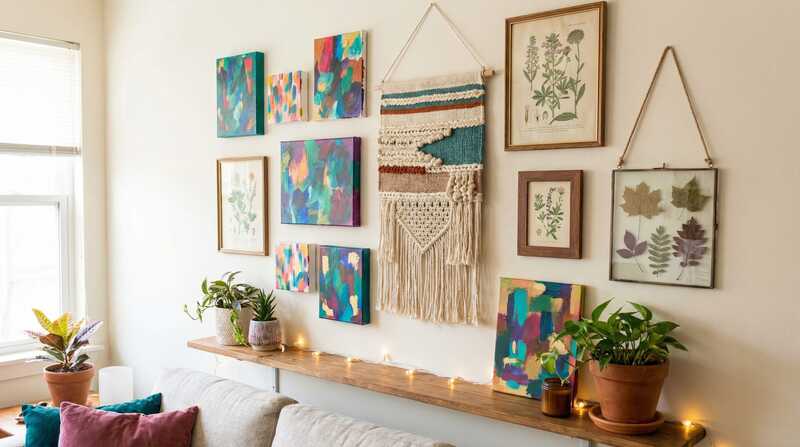
Abstract art is perhaps the most forgiving genre for DIY creators because there are no rules about what it should look like. Begin with blank canvases from craft stores, which typically cost $5 to $15 depending on size. Acrylic paints in a coordinated color palette—choose three to five colors that complement your room—form the foundation of your piece. Student-grade acrylics work perfectly fine for wall art and cost significantly less than professional paints.
One accessible technique involves creating textured abstract pieces using palette knives or even old credit cards to spread paint across the canvas. Apply colors in layers, allowing some to peek through others for depth and interest. Do not overthink the composition—some of the most striking abstract pieces come from spontaneous mark-making and color experimentation. If you make a mark you dislike, simply paint over it. The beauty of acrylics is their quick drying time and opacity.
For those intimidated by starting from scratch, try the tape resist method. Apply painter's tape to the canvas in geometric patterns—stripes, chevrons, or abstract shapes—then paint over the entire surface. When you remove the tape after the paint dries, crisp lines reveal the white canvas beneath, creating a sophisticated graphic look. This technique produces professional results even for complete beginners and costs less than $20 for materials.
Framed Fabric and Textiles
Fabric stores and thrift shops offer endless possibilities for creating unique wall art. Look for fabrics with interesting patterns, textures, or colors that coordinate with your decor. Vintage scarves, remnants from the clearance bin, or even attractive dish towels can become striking wall pieces when properly framed. This approach typically costs $15 to $30 per piece, depending on frame size.
To create framed fabric art, stretch the fabric taut over a piece of foam board or cardboard cut to fit your frame, securing it on the back with hot glue or staples. The key is ensuring the fabric is smooth and wrinkle-free on the front. For added dimension, consider layering different fabrics or adding embellishments like ribbon or trim before framing. Group several coordinating pieces together for a cohesive gallery wall that looks intentionally curated.
Macramé and woven wall hangings have experienced a resurgence in popularity and can be created with minimal investment. Basic macramé cord costs $10 to $20 for enough material to create a substantial piece. Online tutorials make learning the fundamental knots straightforward, and the repetitive nature of the craft is meditative and relaxing. Mount your finished piece on a wooden dowel or driftwood branch for an organic, bohemian look that adds texture to your walls.
Nature-Inspired Art
Bringing elements of nature indoors creates a calming, organic aesthetic that never goes out of style. Pressed botanicals under glass make elegant wall art that costs almost nothing to create. Collect interesting leaves, flowers, or ferns during walks, press them between heavy books for a week or two, then arrange them on watercolor paper or cardstock. Frame them in simple frames from discount stores, and you have sophisticated botanical prints for under $15 each.
For a more three-dimensional approach, create shadow boxes featuring natural objects like shells, pinecones, or interesting stones arranged on a neutral background. The depth of a shadow box adds visual interest and allows you to display collections in an artful way. Thrift stores often have shadow box frames for just a few dollars, making this an extremely budget-friendly option.
Branch and twig art offers another nature-inspired possibility. Arrange interesting branches in geometric patterns on a painted canvas or mount them directly to the wall in sculptural formations. This approach works particularly well in modern or minimalist spaces where the organic shapes provide contrast to clean lines. The materials are free if you collect them yourself, with the only cost being paint or mounting supplies.
Photo-Based Projects
Your own photography can become stunning wall art with the right presentation. Rather than printing standard photo sizes, consider creating a large-scale statement piece by having a favorite image printed as an engineer print—oversized black and white prints that cost just $3 to $5 at office supply stores. Mount these on foam board or frame them simply for dramatic impact at minimal cost.
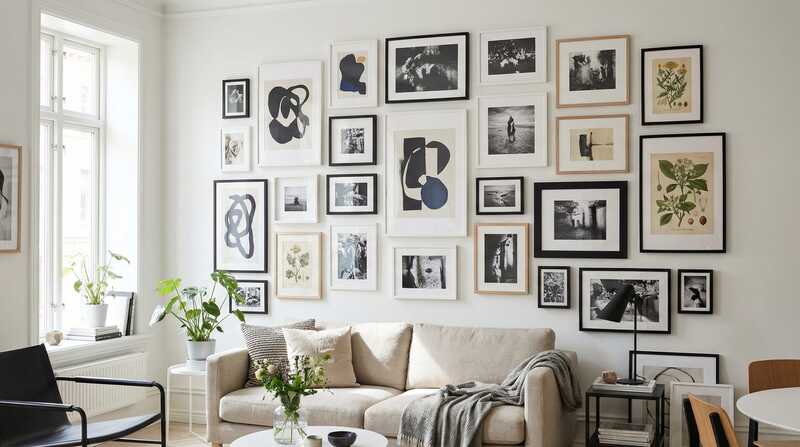
Create a photo grid by printing multiple images in the same size and arranging them in a tight grid pattern on the wall. This works especially well with black and white photos or images that share a common theme or color palette. Using identical inexpensive frames from stores like IKEA keeps the cost per image low while creating a cohesive, gallery-like display. A grid of nine 5x7 prints in matching frames typically costs $40 to $60 total.
For a more artistic approach, transfer photos onto wood or canvas using gel medium. This technique gives images a vintage, distressed quality that adds character and interest. The process involves printing your image on regular printer paper, applying gel medium to wood or canvas, pressing the image face-down, and then rubbing away the paper after it dries. The result is a unique piece that looks nothing like a standard photograph.
Typography and Quote Art
Word art and typography prints have become incredibly popular, and creating your own allows you to choose meaningful quotes or phrases that resonate with you. Use free design software like Canva to create typography layouts, then print them at home or at a print shop. Choosing a bold, simple font and limiting yourself to one or two colors creates the most impact.
For a handmade approach, try hand-lettering quotes on canvas or watercolor paper. Even if your handwriting is not naturally beautiful, practicing basic calligraphy or brush lettering for a few hours can produce pleasing results. There are countless free tutorials online, and the supplies—brush pens or a simple calligraphy pen—cost less than $15. The imperfect, handmade quality adds charm rather than detracting from the piece.
Stenciled word art offers another option that does not require artistic lettering skills. Purchase letter stencils or create your own by printing letters and cutting them out of cardstock. Position them on your canvas or wood board, then paint over them with a foam brush or spray paint. The crisp, clean letters that result look professionally done and cost just $10 to $20 in supplies.
Upcycled and Repurposed Materials
Some of the most interesting wall art comes from unexpected materials. Old book pages, sheet music, or vintage maps can be framed individually or collaged together for a literary or nostalgic aesthetic. Thrift stores and estate sales often have damaged books that can be purchased for pennies, providing endless pages for art projects. Frame individual pages or create a collage on canvas for a layered, textured look.
Cardboard and paper can be transformed into surprisingly sophisticated wall sculptures. Cut geometric shapes from cardboard, paint them in coordinating colors, and mount them on a canvas or directly to the wall in an overlapping pattern. The dimensional quality creates shadows and depth that make the piece far more interesting than flat artwork. This project costs almost nothing since cardboard is free and requires only paint and glue.
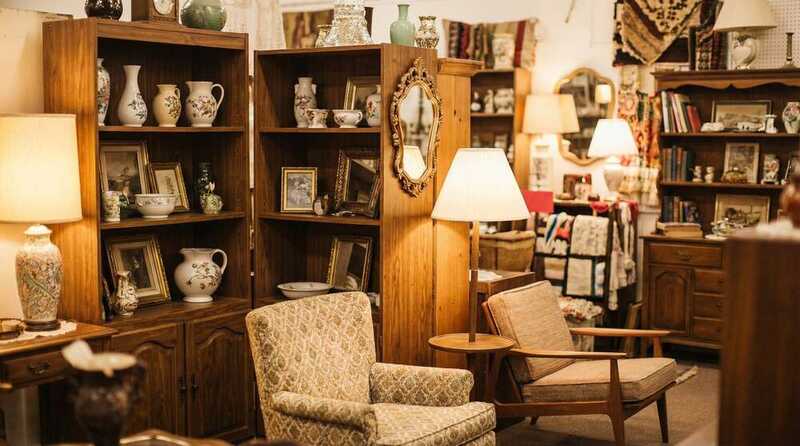
Repurpose old window frames, shutters, or architectural salvage into unique wall pieces. An old window frame can become a multi-opening photo display, a chalkboard, or a backdrop for hanging plants. Shutters painted in a fresh color add architectural interest to blank walls. These pieces tell a story and add character that new items simply cannot replicate, often costing just $5 to $20 at salvage yards or thrift stores.
Color Field and Geometric Designs
Color field painting—large areas of solid color with minimal composition—creates a bold, modern statement. This style is extremely accessible for beginners since it requires no drawing skills, just an eye for color. Choose two or three paint colors that work well together and divide your canvas into sections using painter's tape. Paint each section a different color, remove the tape, and you have a sophisticated piece of modern art for under $25.
Geometric designs offer endless possibilities for creating graphic, contemporary wall art. Use painter's tape to create patterns like triangles, hexagons, or abstract shapes on your canvas. Paint the exposed areas, then remove the tape to reveal crisp lines. Metallic gold or copper paint adds a luxe touch without significantly increasing the cost. These pieces work particularly well in modern or minimalist spaces where clean lines are valued.
For an even simpler approach, create an ombre effect by gradually blending one color into another across the canvas. Start with your darkest color at one edge, progressively adding white to lighten the shade as you move across the canvas. This technique creates a soothing, gradient effect that works as a calming focal point in bedrooms or meditation spaces.
Mixed Media Collage
Collage art allows you to combine various materials and techniques into layered, complex pieces. Start with a painted canvas as your base, then add elements like torn paper, fabric scraps, pressed flowers, or found objects. The key to successful collage is creating visual balance through color, texture, and composition. Step back frequently as you work to assess the overall effect.
Magazine pages offer a wealth of imagery and color for collage work. Cut out interesting images, patterns, or text and arrange them on your surface before gluing them down. Overlapping elements creates depth, while a coat of matte medium over the finished piece seals and protects it. This technique costs almost nothing since magazines can be sourced for free, and the results can be strikingly artistic.
Three-dimensional collage incorporates objects that extend from the surface, creating shadow and depth. Consider adding buttons, beads, shells, or other small objects to your composition. These tactile elements make the piece more engaging and unique. Just ensure everything is securely attached with strong adhesive suitable for the materials you are using.
Finishing and Displaying Your Art
How you finish and display your DIY art significantly impacts its final appearance. For canvas pieces, paint the edges the same color as the background or in a coordinating color so they look finished from all angles. This allows you to hang them without frames, which saves money and creates a modern, gallery-style look.
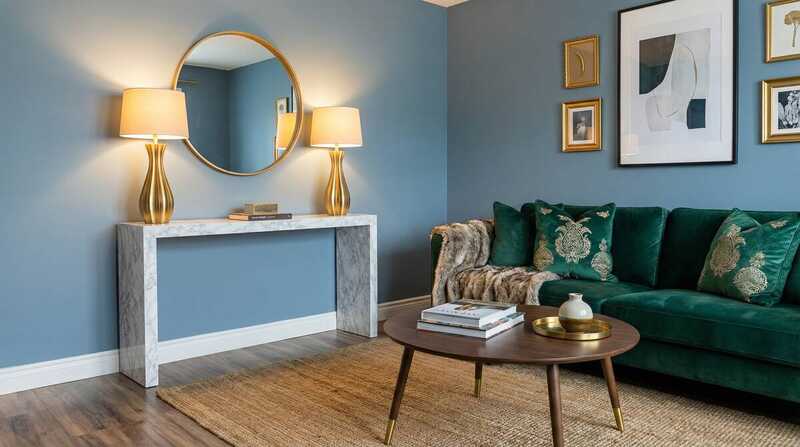
If you prefer framed art, watch for sales at craft stores where frames are frequently 40-50% off. Simple black or white frames work with virtually any art style and create a cohesive look when displaying multiple pieces together. For an even more budget-friendly option, paint thrift store frames in matching colors to create a unified gallery wall.
Consider the scale and arrangement of your wall art carefully. One large statement piece often has more impact than several small pieces scattered randomly. If creating a gallery wall, lay out your arrangement on the floor first to perfect the composition before putting holes in the wall. Maintain consistent spacing between pieces—typically 2 to 3 inches—for a polished, intentional look.
Recommended Supplies
Essential DIY Art Supplies
- Blank Canvas Packs ($15-30) - Multiple sizes for various projects
- Acrylic Paint Sets ($12-25) - Student grade works perfectly
- Paint Brush Sets ($8-15) - Various sizes for different techniques
- Picture Frame Sets ($20-40) - Matching frames for gallery walls
- Macramé Cord ($10-20) - For textile wall hangings
Budget Per Project
Individual DIY art pieces: $10-50 depending on size and materials. Create multiple pieces in one session to maximize supply efficiency. A complete gallery wall of 5-7 pieces typically costs $75-150 total.