
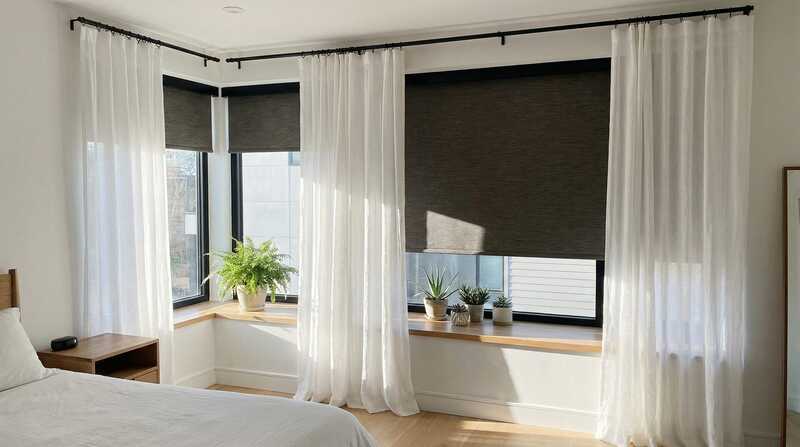
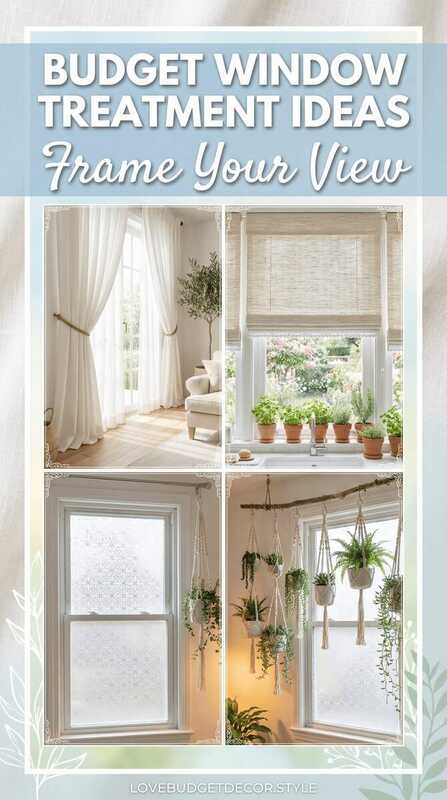
Window treatments are one of the most impactful yet often overlooked elements of interior design. The right curtains, blinds, or shades can transform a room's ambiance, control light and privacy, improve energy efficiency, and tie together your entire design scheme—all without the custom price tag that professional window treatments typically command.
Share This Article
Understanding Your Window Treatment Options
Before diving into specific budget solutions, it helps to understand the main categories of window treatments and their respective benefits. Curtains and drapes offer the most style flexibility and can be easily changed seasonally or as your taste evolves. Blinds provide precise light control and work well in kitchens and bathrooms where moisture is a concern. Shades combine the softness of fabric with the functionality of blinds, offering a middle ground that works in virtually any room.
Layering different types of window treatments creates depth, dimension, and maximum functionality. Combine sheer curtains with blackout drapes for rooms where you need both natural light during the day and complete darkness at night. Pair blinds or shades with decorative curtain panels for a polished, designer look that provides both practical light control and aesthetic appeal. This layered approach allows you to achieve custom-looking results using affordable, off-the-shelf components.
Quick Reference: Window Treatment Types
Curtains: Fabric panels that hang from a rod, available in countless colors, patterns, and fabrics. Most affordable and easiest to DIY or customize.
Blinds: Horizontal or vertical slats that tilt to control light. Durable, moisture-resistant, ideal for kitchens and bathrooms.
Shades: Fabric or woven material that rolls or folds up. Cleaner lines than curtains, more softness than blinds.
Shutters: Solid or louvered panels that fold or slide. Most expensive option but highly durable and adds architectural value.
Budget Curtains That Look Expensive
The secret to making budget curtains look custom and expensive lies in how you hang them, not how much you spend. Mount your curtain rods high—ideally just a few inches below the ceiling—and wide, extending six to twelve inches beyond the window frame on each side. This simple trick makes windows appear larger, ceilings seem higher, and rooms feel more spacious, while the curtains themselves look more intentional and professionally installed. HGTV's curtain hanging guide provides detailed measurements and installation tips for professional-looking results.
Choose curtains that puddle slightly on the floor or just barely kiss it, avoiding the awkward mid-calf length that screams "cheap" or "ill-fitting." If your budget curtains are too short, add a coordinating fabric band to the bottom, creating a custom look while achieving the proper length. This simple alteration costs just a few dollars in fabric and basic sewing supplies, yet dramatically improves the overall appearance.
Solid colors in neutral tones or classic patterns like stripes or subtle geometrics provide the most versatility and longevity. White, cream, gray, and navy curtains work with virtually any decor style and can transition through multiple design changes. If you crave pattern or color, consider using solid curtains as a base and adding a patterned valance or tiebacks for visual interest without overwhelming the space.
DIY curtains from fabric or even sheets offer the ultimate budget solution while allowing complete customization. Simple rod-pocket or tab-top curtains require minimal sewing skills, and no-sew options using hem tape or fabric glue work perfectly for those without sewing machines. Thrift store sheets in quality fabrics like linen or cotton can be transformed into beautiful curtains for a fraction of retail prices, and you control every aspect of the final product from length to fullness to details.
Best Budget Curtain Options
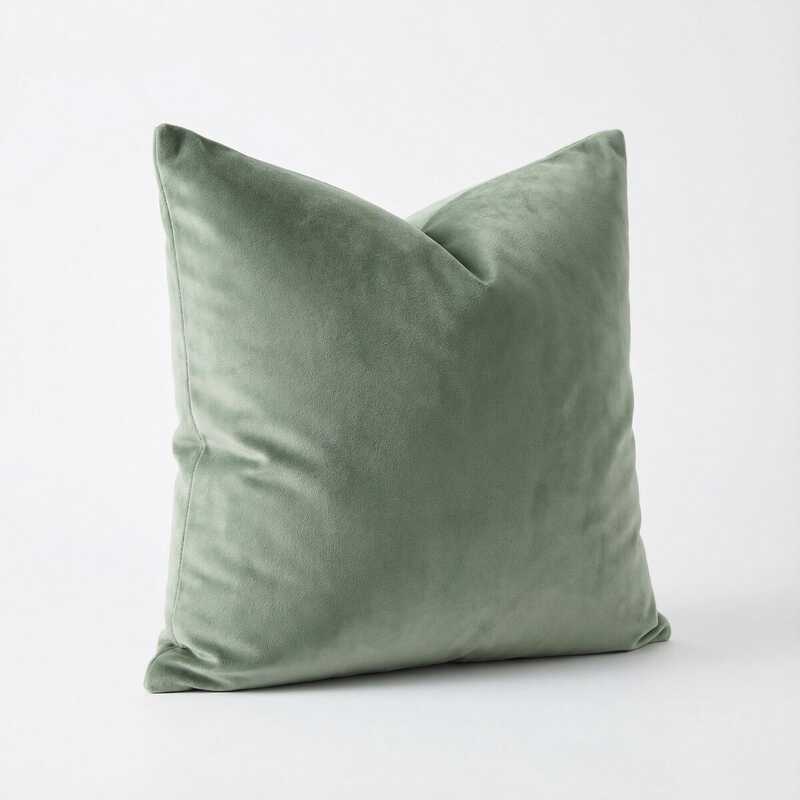
NICETOWN Blackout Curtains (2 Panels)
52x84 inches, multiple colors, thermal insulated
$25-$40
View on Amazon
Affordable Blinds and Shades
Faux wood blinds provide the look of real wood at a fraction of the cost while offering superior moisture resistance perfect for bathrooms and kitchens. These durable blinds cost thirty to sixty dollars per window depending on size, and they install easily with basic tools and included hardware. Choose neutral colors like white, cream, or gray that complement any decor style and will not date as trends change.
Cellular or honeycomb shades offer excellent insulation properties that can reduce energy costs while providing clean, modern style. The cellular structure traps air, keeping rooms cooler in summer and warmer in winter, which can offset their slightly higher cost compared to basic roller shades. Cordless options provide a streamlined appearance and improved safety for homes with children or pets. Expect to pay forty to eighty dollars per window for quality cellular shades.
Roller shades in light-filtering or blackout fabrics provide simple, effective window coverage at budget-friendly prices. These minimalist shades work beautifully in modern spaces and layer perfectly under curtains for a complete window treatment system. Many retailers offer custom-cut roller shades at standard window sizes for twenty to forty dollars, making them an affordable solution for multiple windows. Choose neutral colors that blend with walls for an invisible look, or select bold colors or patterns to make windows a focal point.
Bamboo or woven wood shades add natural texture and organic warmth to any room while providing privacy and light filtering. These shades cost slightly more than basic roller shades but deliver significantly more visual interest and style. The natural variations in bamboo or wood create one-of-a-kind patterns that add character impossible to achieve with synthetic materials. Pair them with simple curtain panels for a layered look that feels collected and intentional.
Creative No-Sew Window Treatment Ideas
Tension rods and clip rings transform any fabric into instant curtains without sewing a single stitch. Purchase fabric by the yard in your desired pattern and length, hem the edges with iron-on hem tape, and attach clip rings every few inches along the top edge. Hang from a tension rod for a custom look that costs a fraction of ready-made curtains. This method works beautifully with lightweight fabrics like cotton, linen, or even decorative scarves for small windows.
Drop cloths from hardware stores make surprisingly beautiful curtains with a relaxed, organic texture similar to expensive linen. These canvas cloths cost ten to twenty dollars each and come in standard sizes that work for most windows. Hem the edges if desired, or embrace the raw edge for a casual, lived-in aesthetic. The natural cream color works with any decor style, or dye them for custom colors that perfectly match your space.
Tablecloths and flat sheets repurposed as curtains offer pattern and color options at thrift store prices. Look for quality fabrics in colors and patterns you love, then simply add curtain clips or sew a basic rod pocket. This approach allows you to achieve designer looks for just a few dollars per window, and you can easily change them seasonally or whenever your style evolves. Mix and match patterns in the same color family for an eclectic, collected look.
Layering Window Treatments for Maximum Impact
Combining sheer curtains with heavier drapes or blinds creates a layered look that provides flexibility for different times of day and various privacy needs. Hang sheer curtains closest to the window for daytime privacy and soft light filtering, then add blackout curtains or drapes on an outer rod for nighttime privacy and light blocking. This system allows you to control exactly how much light enters while creating depth and visual interest at your windows.
Pairing functional blinds or shades with decorative curtain panels achieves the best of both worlds—precise light control from the blinds and style from the curtains. The curtains can remain stationary as decorative frames for your windows, while the blinds do the functional work of blocking light and providing privacy. This approach costs more than a single treatment but less than custom solutions, and it delivers a polished, professional appearance that elevates any room.
Valances or cornices add architectural interest and hide curtain rod hardware while providing a finished, custom look. DIY valances can be made from coordinating fabric, foam board covered in fabric, or even repurposed shutters or molding. These top treatments cost very little to create but make a significant visual impact, especially when paired with simple curtain panels or shades below. They work particularly well in kitchens and bathrooms where full-length curtains may not be practical.
Hardware and Installation Tips
Curtain rod selection dramatically affects the overall look of your window treatments. Avoid thin, flimsy rods that sag under the weight of curtains, instead choosing rods at least one inch in diameter that can support fabric without bowing. Decorative finials on rod ends add a polished, finished appearance, while simple, clean-lined rods work better in modern spaces. Budget-friendly options exist in every style, typically costing fifteen to thirty dollars per window.
Proper installation height makes all the difference between amateur and professional-looking window treatments. Mount rods four to six inches above the window frame, or even higher for dramatic impact and the illusion of taller ceilings. Extend rods six to twelve inches beyond the window frame on each side, allowing curtains to stack off the glass when open and making windows appear wider. These proportions create balanced, intentional-looking window treatments regardless of how much you spent on the actual curtains.
Use a level when installing rods to ensure they are perfectly straight—even slight tilts become glaringly obvious once curtains are hung. Mark pilot holes carefully, use appropriate anchors for your wall type, and do not overtighten screws which can strip holes or crack brackets. Taking time during installation prevents frustration and ensures your window treatments hang beautifully and function properly for years to come.
Room-by-Room Window Treatment Strategies
Living Rooms: Prioritize style and light control with layered treatments that can be adjusted throughout the day. Floor-length curtains in quality fabrics make the biggest impact, while sheer underlayers maintain privacy without blocking natural light. Consider blackout linings if your living room doubles as a media room where light control matters for screen viewing.
Bedrooms: Blackout curtains or shades are essential for quality sleep, blocking both light and sound while providing complete privacy. Layer them with sheer curtains for daytime light options, or choose room-darkening shades that roll up completely when you want maximum brightness. The investment in proper bedroom window treatments pays dividends in better sleep quality and more comfortable mornings.
Kitchens: Choose treatments that can withstand moisture, grease, and frequent cleaning. Faux wood blinds, vinyl roller shades, or cafe curtains that cover only the lower half of windows work well in kitchens. Keep treatments simple and functional, avoiding elaborate fabrics that will require frequent laundering or dry cleaning. Consider leaving some kitchen windows bare if privacy is not a concern, maximizing natural light in this work-intensive space.
Bathrooms: Privacy is paramount, but moisture resistance is equally important. Faux wood blinds, vinyl shades, or moisture-resistant curtains with liners protect against humidity while providing complete privacy. Avoid fabric treatments that will mildew, and ensure adequate ventilation to prevent moisture buildup that can damage any window treatment over time.
Maintenance and Care
Regular maintenance extends the life of your window treatments and keeps them looking fresh. Vacuum curtains monthly using the upholstery attachment to remove dust and prevent buildup that can dull colors and attract pests. Most curtains can be machine washed on gentle cycles, but always check care labels first and remove hooks or rings before washing. Iron or steam wrinkles promptly after washing to maintain a crisp, polished appearance.
Blinds and shades require different care than fabric treatments. Dust them weekly with a microfiber cloth or vacuum with a brush attachment, working from top to bottom to prevent dust from resettling. For deeper cleaning, wipe with a damp cloth and mild soap, ensuring they dry completely before raising to prevent water spots or damage. Avoid harsh chemicals that can discolor or damage finishes, especially on faux wood or vinyl products.
Address issues promptly to prevent small problems from becoming major repairs. Tighten loose brackets, replace broken slats or cords, and repair small tears in fabric before they expand. Many replacement parts are available online for minimal cost, making repairs far more economical than replacing entire window treatments. Proper care and timely repairs ensure your budget window treatments continue looking beautiful for many years.
Key Takeaways
Beautiful, functional window treatments do not require custom orders or designer price tags. By understanding proper proportions and installation techniques, choosing quality hardware, and layering treatments strategically, you can achieve custom-looking results using affordable, readily available products. Whether you choose ready-made curtains, budget blinds, or DIY solutions, the key is attention to detail in measurement, installation, and styling. Your windows frame your view of the world and your home's first impression—dress them well without breaking your budget.
Related Articles


Affiliate Disclosure: This article contains affiliate links. If you purchase through these links, we may earn a small commission at no additional cost to you.