A well-placed rug can transform a room from disjointed to designer in minutes, yet choosing the wrong size or placement can make even expensive rugs look awkward and cheap. Understanding the principles of rug sizing and placement is one of the most powerful budget decorating skills you can develop, as it allows you to maximize the impact of affordable rugs while avoiding costly mistakes that require replacement.
The Most Common Rug Sizing Mistakes
The biggest mistake people make when buying rugs is choosing sizes that are too small for their spaces. A tiny rug floating in the middle of a large room creates visual disconnection and makes both the rug and the room feel smaller. This error is particularly common when budget shopping, as smaller rugs cost less and seem like the practical choice. However, a properly sized affordable rug will always look better than an expensive rug that is too small for the space.
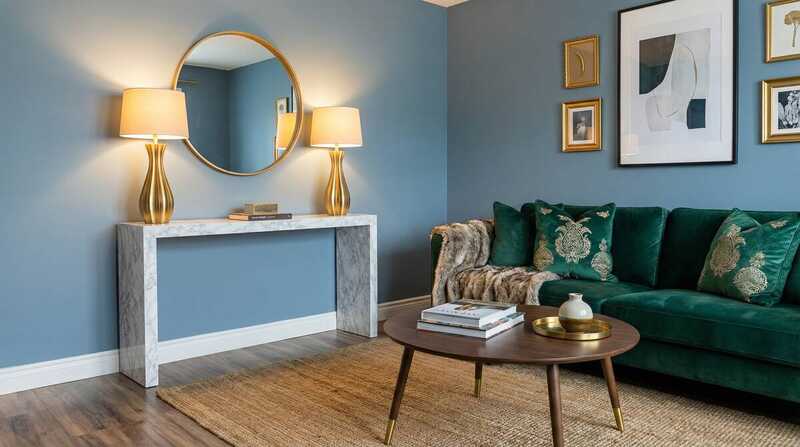
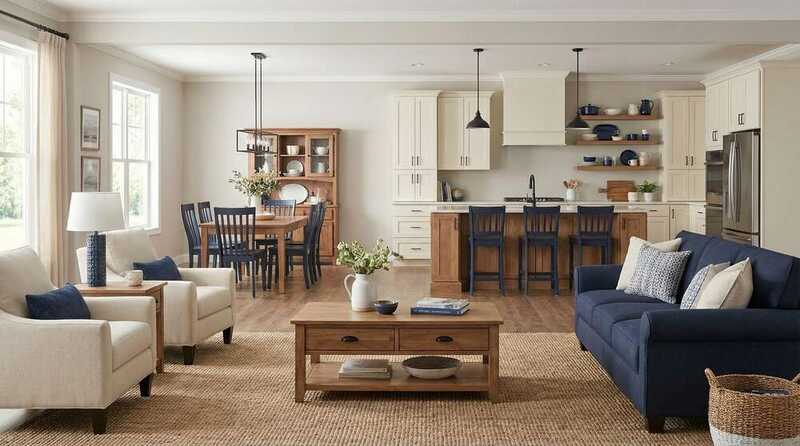
Another frequent error is placing rugs completely under furniture rather than allowing front legs to rest on the rug while back legs remain on the floor. This "all on or all off" approach creates rigid, uninviting seating arrangements. The most professional look comes from having at least the front legs of sofas and chairs on the rug, which anchors the furniture grouping while maintaining visual flow throughout the room.
Living Room Rug Sizing Rules
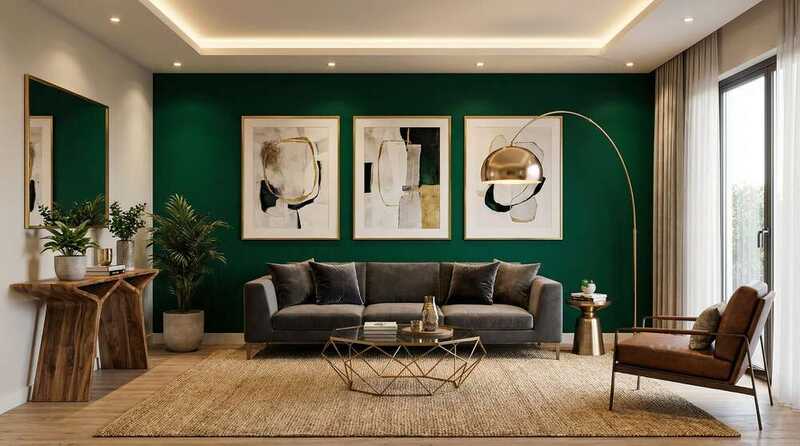
For living rooms, the ideal rug size depends on your furniture arrangement and room dimensions. In a standard living room with a sofa and two chairs, aim for a rug that is at least eight by ten feet. This size allows all front furniture legs to rest comfortably on the rug while creating a cohesive conversation area. If your budget allows, a nine by twelve foot rug provides even more flexibility and can accommodate larger furniture pieces.
When working with sectional sofas, measure the full footprint of your seating area and add at least eighteen inches on each exposed side. This extra space prevents the rug from looking cramped and allows for comfortable foot placement when sitting. If a rug large enough to accommodate your entire sectional exceeds your budget, consider placing a smaller rug in front of the sectional with just the coffee table on it, creating a defined central zone within the larger seating area.
Bedroom Rug Placement Strategies
Bedroom rugs serve both aesthetic and functional purposes, providing soft landing spots when getting out of bed while visually grounding the room's largest piece of furniture. The most common bedroom rug placement puts a large rug under the bottom two-thirds of the bed, extending at least two feet beyond each side and three feet beyond the foot of the bed. This creates a luxurious feel and ensures your feet land on soft fibers rather than cold floors.
For budget-conscious decorators, an alternative approach uses two smaller runners placed on either side of the bed, extending from the nightstands to just past the foot of the bed. This option costs significantly less than a large area rug while still providing the comfort and visual interest that rugs bring to bedrooms. Choose runners that are at least two feet wide to create substantial visual impact and practical coverage.
Dining Room Rug Dimensions
Dining room rugs require careful sizing to accommodate chairs as they pull away from the table during meals. The general rule is to add at least four feet to both the length and width of your dining table, ensuring that chairs remain on the rug even when fully pulled out. This typically means a six-foot round table needs an eight-foot round rug, while a standard rectangular table requires at least an eight by ten foot rug.
If your dining room rug budget is limited, consider using the room without a rug rather than choosing one that is too small. A too-small dining rug creates constant frustration as chair legs catch on the edge and looks visually awkward. Save up for the proper size, or explore budget-friendly alternatives like indoor-outdoor rugs, which offer large sizes at lower price points than traditional area rugs.
Budget Rug Materials That Deliver Quality
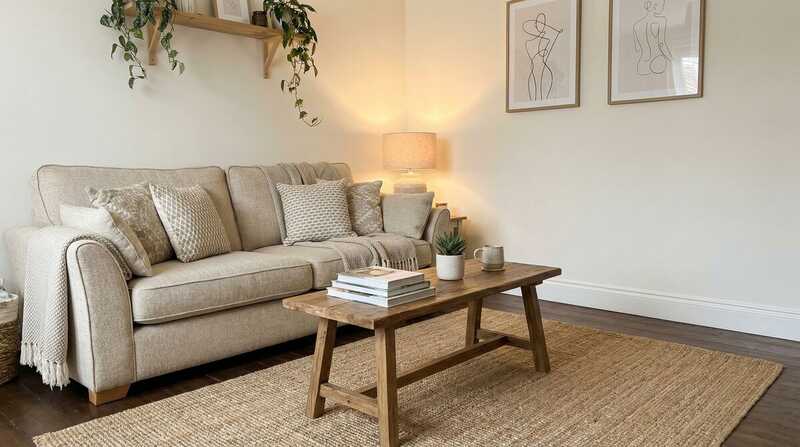
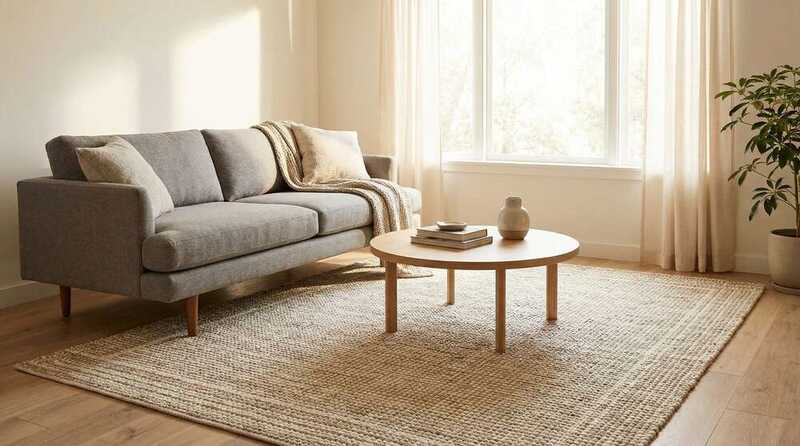
Natural fiber rugs made from jute, sisal, or seagrass offer excellent value for budget decorators. These materials provide substantial coverage at affordable prices, with eight by ten foot jute rugs often available for under two hundred dollars. The neutral tones of natural fiber rugs work with virtually any decor style, and their textured appearance adds visual interest without overwhelming a space.
Polypropylene rugs represent another budget-friendly option that delivers surprising quality and durability. Modern manufacturing techniques create polypropylene rugs that mimic the look of wool or natural fibers at a fraction of the cost. These synthetic rugs resist stains and fading, making them particularly practical for high-traffic areas or homes with children and pets. Look for polypropylene rugs with higher pile density for a more luxurious feel underfoot.
Layering Rugs for Designer Impact
Layering rugs creates visual depth and allows you to achieve a custom look using affordable pieces. Start with a large, inexpensive natural fiber rug as your base layer, then add a smaller patterned or textured rug on top to create focal points. This technique works particularly well in living rooms, where you can use a large jute rug to define the entire seating area and layer a smaller vintage or patterned rug under the coffee table.
When layering rugs, ensure the bottom rug extends at least twelve inches beyond the edges of the top rug on all sides. This creates intentional framing rather than looking like a sizing mistake. Mix textures and patterns thoughtfully, pairing smooth with textured or solid with patterned to create visual interest without overwhelming the space. The layering technique also allows you to update your look seasonally by swapping out the top rug while keeping the larger base rug in place.
Making Small Rugs Look Intentional
If you already own small rugs or find a great deal on a size that is smaller than ideal, strategic placement can make them work in your space. Use small rugs to define specific zones within larger rooms, such as placing a four by six foot rug under a reading chair and ottoman to create a cozy nook. This approach works best when the small rug clearly serves a purpose rather than attempting to anchor an entire room.
Another effective technique for small rugs involves using them in transitional spaces like entryways, hallways, or in front of sinks and stoves in kitchens. These areas benefit from the comfort and visual interest that rugs provide without requiring the large sizes needed for main living spaces. Choose small rugs with bold patterns or colors in these locations to create intentional design moments that draw the eye.
Affordable Rug Alternatives
When even budget rugs exceed your decorating funds, consider creative alternatives that provide similar visual impact. Large floor cushions or poufs arranged in a conversational grouping can define a seating area without the cost of a full rug. This approach works particularly well in casual spaces like playrooms or teen bedrooms, where flexibility and easy cleaning are priorities.
Painted floors offer another rug alternative that can transform a space for minimal cost. Use painter's tape to create geometric patterns or faux rug borders directly on wood or concrete floors, then paint with durable floor paint. This technique allows you to customize the exact size and design to fit your space perfectly, and you can change the look whenever you want by simply repainting. Seal painted floors with several coats of polyurethane to protect your design and make cleaning easy.
Recommended Budget Rugs
Natural Jute Area Rug (8x10)
Durable natural fiber construction, neutral tone works with any decor
View on Amazon →Washable Runner Rug (2.5x7)
Machine washable, perfect for high-traffic areas and bedrooms
View on Amazon →Indoor/Outdoor Area Rug (9x12)
Large size at budget price, stain-resistant polypropylene
View on Amazon →Conclusion
Mastering rug placement and sizing transforms how your entire home looks and feels, making it one of the most valuable skills in budget decorating. By choosing appropriate sizes for each room, placing rugs to anchor furniture groupings properly, and exploring affordable materials and creative alternatives, you can achieve designer-quality results without designer prices. Remember that a well-placed budget rug always outperforms an expensive rug in the wrong size or location, so prioritize proper sizing and placement over material quality when working within tight budgets.