Flooring is one of the most impactful design elements in any home, yet it often comes with a price tag that makes budget-conscious decorators cringe. The good news is that modern flooring technology and creative DIY techniques have made it possible to achieve stunning floors without spending thousands of dollars. Whether you are working with existing floors or starting from scratch, there are affordable options that deliver both beauty and durability.
Share This Article
Luxury Vinyl Plank: The Budget Champion
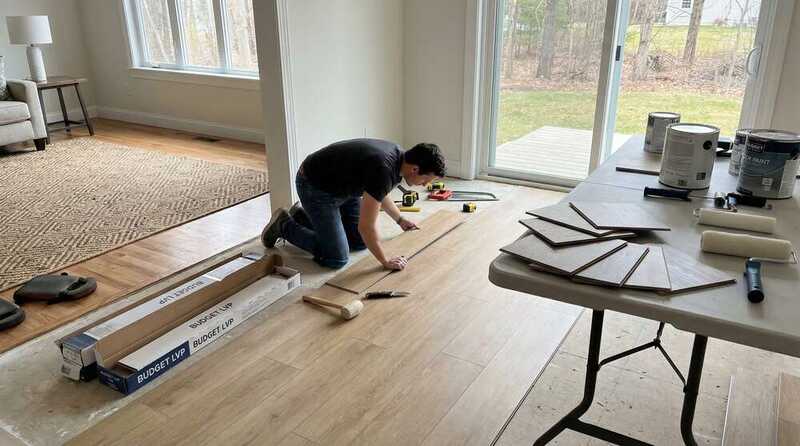
Luxury vinyl plank flooring has revolutionized budget decorating by offering the authentic look of hardwood at a fraction of the cost. Modern LVP features high-resolution photography and embossed textures that convincingly mimic real wood grain, fooling even experienced designers from a few feet away. The material is completely waterproof, making it suitable for every room in your home including bathrooms and basements where traditional hardwood would never survive.
Installation is remarkably DIY-friendly thanks to click-lock systems that require no glue, nails, or special tools beyond a utility knife and measuring tape. Most homeowners can install an entire room in a weekend, saving hundreds or thousands in professional installation fees. The planks float over your existing floor, meaning you can often avoid the expense and mess of removing old flooring. Prices typically range from two to five dollars per square foot, compared to eight to fifteen dollars for real hardwood.
LVP Cost Breakdown
Materials: $2-5 per square foot
Underlayment: $0.50-1 per square foot (often included)
Tools needed: $30-50 one-time purchase
Average 200 sq ft room: $500-700 DIY vs. $2,000-3,000 for hardwood installed
Laminate Flooring: The Classic Alternative
Laminate flooring remains a solid budget choice, especially for high-traffic areas where durability matters most. While it lacks the waterproof properties of LVP, quality laminate offers exceptional scratch and dent resistance that actually surpasses many hardwoods. The photographic layer is protected by a tough wear layer that can withstand pets, kids, and furniture without showing damage. Modern laminate has come a long way from the obviously fake-looking options of the past, now featuring realistic textures and varied plank widths that create authentic wood floor aesthetics.
The installation process mirrors LVP with similar click-lock systems, making it equally accessible for DIY installation. Laminate typically costs slightly less than LVP, ranging from one to four dollars per square foot depending on quality and style. The key to success with laminate is choosing thicker planks (at least eight millimeters) with attached padding, which provides better sound dampening and a more solid feel underfoot. Avoid the temptation to buy the cheapest option, as thin laminate feels hollow and looks cheap no matter how good the surface pattern appears.
Strategic Area Rug Placement
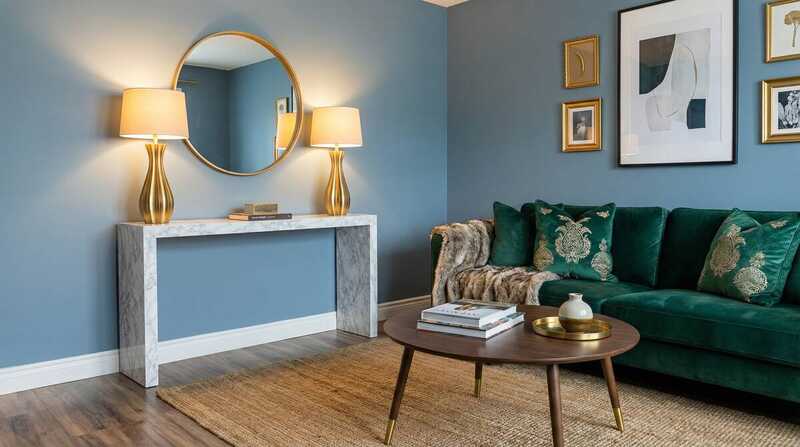
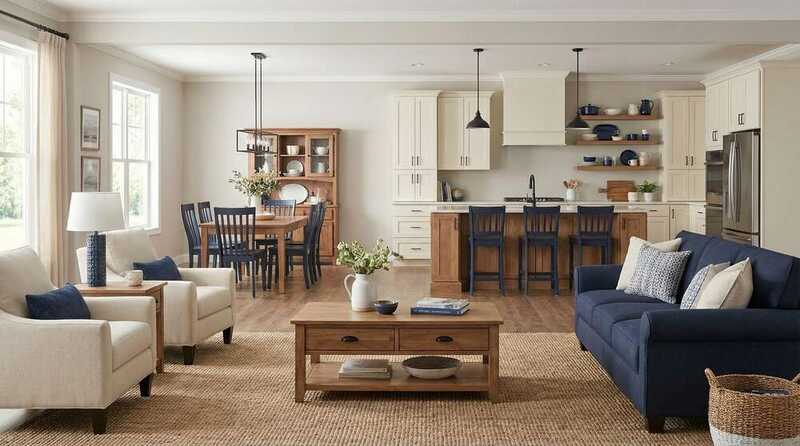
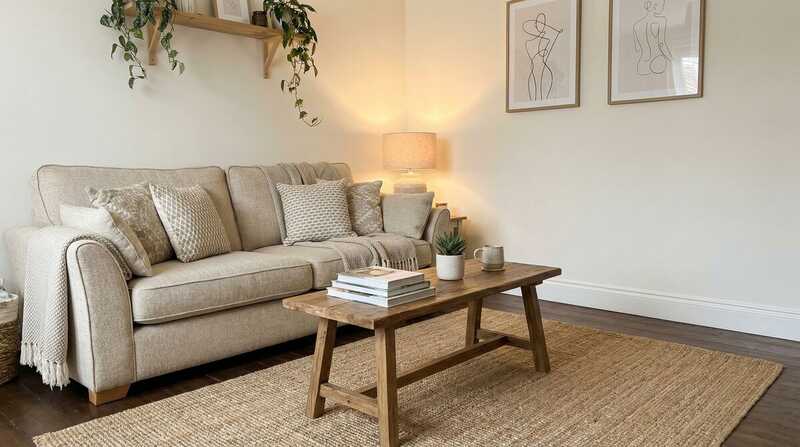
Sometimes the most budget-friendly flooring solution is not replacing your floors at all, but rather covering problem areas with well-chosen area rugs. This approach works brilliantly when you have decent subfloors or existing flooring that is structurally sound but aesthetically dated. Large area rugs can define spaces, add warmth and texture, and completely change the feel of a room for a few hundred dollars instead of a few thousand. The key is choosing rugs that are appropriately sized—too small looks like an afterthought, while properly sized rugs anchor furniture groupings and make spaces feel intentionally designed.
For living rooms, your rug should be large enough that at least the front legs of all seating pieces rest on it, creating a cohesive conversation area. In dining rooms, the rug must extend at least twenty-four inches beyond the table on all sides to accommodate pulled-out chairs. Layering rugs adds even more visual interest and allows you to mix patterns and textures for a collected, high-end look. Natural fiber rugs like jute or sisal provide affordable, durable base layers, while smaller patterned rugs on top add personality and can be easily swapped seasonally.
Painted Floors: The Ultimate DIY Solution
Painted floors represent the most budget-friendly option of all, transforming tired wood floors, plywood subfloors, or even concrete for the cost of paint and a weekend of work. This technique has surged in popularity as designers embrace the charm of painted floors in everything from farmhouse kitchens to coastal bedrooms. The process requires proper surface preparation including sanding, cleaning, and priming, but the results can be absolutely stunning when done correctly. You can create solid colors, patterns, stripes, checkerboards, or even faux tile designs limited only by your imagination and patience.
The key to durable painted floors is using the right products and proper sealing. Porch and floor paint is specifically formulated to withstand foot traffic, while multiple coats of polyurethane provide essential protection against scuffs and moisture. Light colors make small spaces feel larger and brighter, while dark dramatic hues create sophisticated, moody atmospheres. Painted floors work especially well in low-traffic areas like bedrooms, home offices, and guest rooms where they will not face the same wear as kitchen or entryway floors. Total cost for a standard bedroom typically runs under one hundred dollars including all supplies.
Painted Floor Success Tips
• Sand floors thoroughly to ensure paint adhesion
• Use quality primer designed for floors
• Apply 2-3 thin coats of porch/floor paint
• Seal with 3-4 coats of water-based polyurethane
• Allow full cure time (7-10 days) before moving furniture
Comparing Your Options
Choosing the right budget flooring depends on your specific situation, skills, and priorities. LVP offers the best combination of durability, water resistance, and authentic appearance, making it ideal for whole-home installations or high-moisture areas. Laminate provides excellent value for dry areas with heavy traffic where scratch resistance matters most. Area rugs work beautifully when you need a quick, renter-friendly update or want flexibility to change your look seasonally. Painted floors deliver maximum impact for minimum investment when you have the time and patience for proper preparation and application.
Consider your long-term plans when making flooring decisions. If you are in a rental or planning to move within a few years, area rugs provide the most flexibility and portability. Homeowners planning to stay long-term should invest in LVP or laminate for lasting value and durability. DIY painted floors work wonderfully as temporary solutions while you save for more permanent options, or as permanent features in low-traffic spaces where their charm outweighs practical concerns. Whatever you choose, remember that proper installation matters more than expensive materials—a carefully installed budget floor always looks better than a poorly installed premium one.
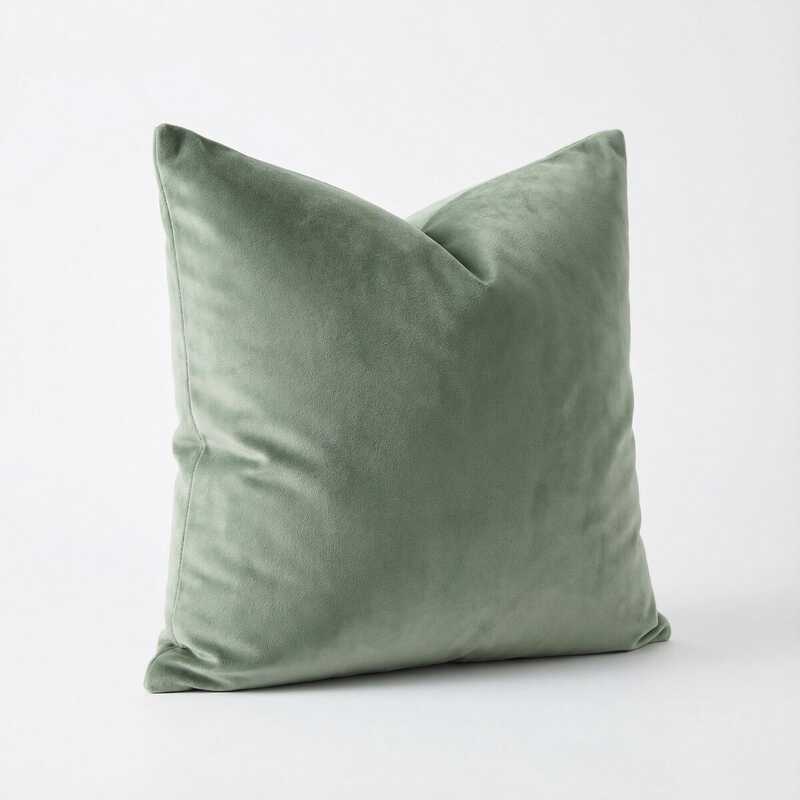
Recommended Flooring Products

Making Your Decision
The flooring you choose sets the foundation for your entire decorating scheme, so take time to consider how each option fits your lifestyle, budget, and aesthetic goals. Visit home improvement stores to see and touch samples in person, as photos never fully capture texture and sheen. Order samples of your top choices to live with them in your space for a few days, observing how they look in different lighting conditions throughout the day. Read reviews from other DIY installers to understand common challenges and success strategies for your chosen material.
Remember that flooring is one area where doing it right the first time saves money and frustration in the long run. Rushing the installation or skipping important steps like acclimating materials and preparing subfloors leads to problems that are expensive and time-consuming to fix. Budget an extra ten to fifteen percent for materials to account for waste and mistakes, especially if this is your first flooring project. With patience, proper planning, and attention to detail, any of these budget-friendly flooring options can deliver results that look and perform like installations costing many times more.

Affiliate Disclosure: This post contains affiliate links. When you purchase through these links, we may earn a small commission at no additional cost to you. This helps support our blog and allows us to continue providing free content. We only recommend products we genuinely believe in.