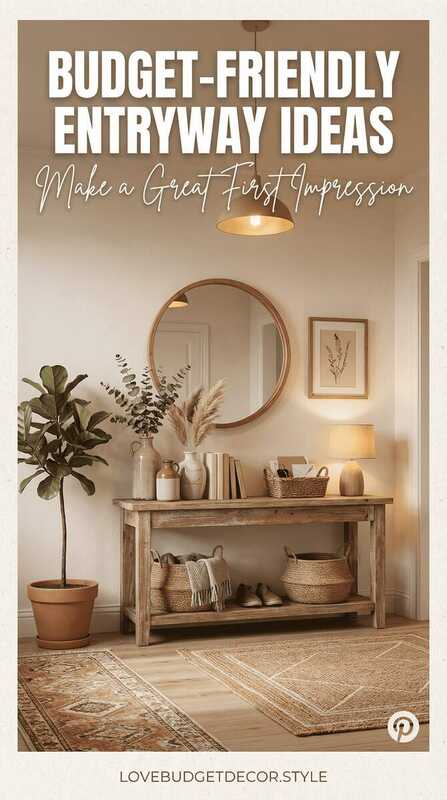
Your entryway is the first impression guests have of your home, yet it is often one of the most neglected spaces in terms of design and budget allocation. Creating a welcoming, functional, and stylish entryway does not require expensive renovations or designer furniture. With strategic planning and budget-friendly solutions, you can transform even the smallest entry into a space that sets the tone for your entire home while providing practical storage and organization.
The Foundation: Console Tables and Surfaces
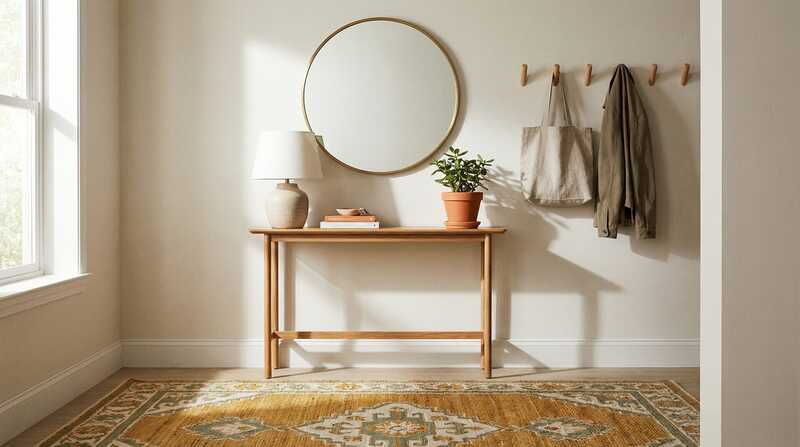
A console table serves as the anchor piece for most entryways, providing both visual interest and functional storage. Rather than investing in expensive furniture, look for affordable alternatives that deliver the same impact. Narrow console tables from budget retailers typically range from $80 to $150 and provide essential surface space for keys, mail, and decorative elements. If you are handy with tools, consider building a simple console from reclaimed wood or repurposing an old desk by cutting it down to size.
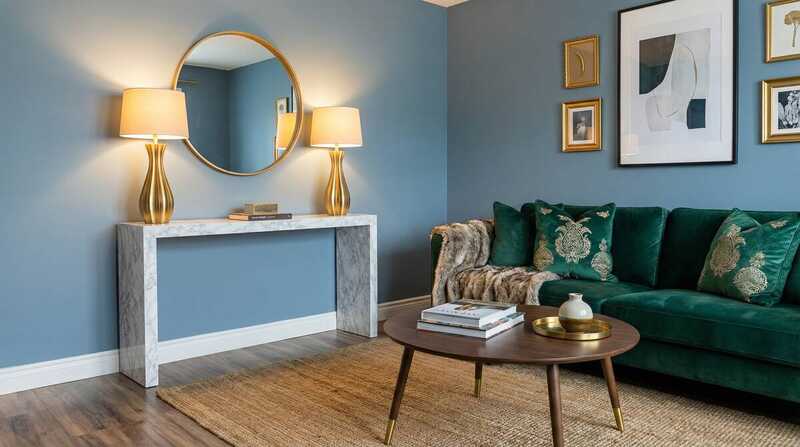
The key to making budget furniture look expensive lies in styling. Keep the surface relatively minimal with just a few carefully chosen items: a table lamp for ambient lighting, a decorative tray for corralling small items, and a statement piece like a vase with fresh greenery or a sculptural object. This curated approach prevents clutter while creating visual interest that draws the eye immediately upon entering.
Mirrors: The Secret Weapon
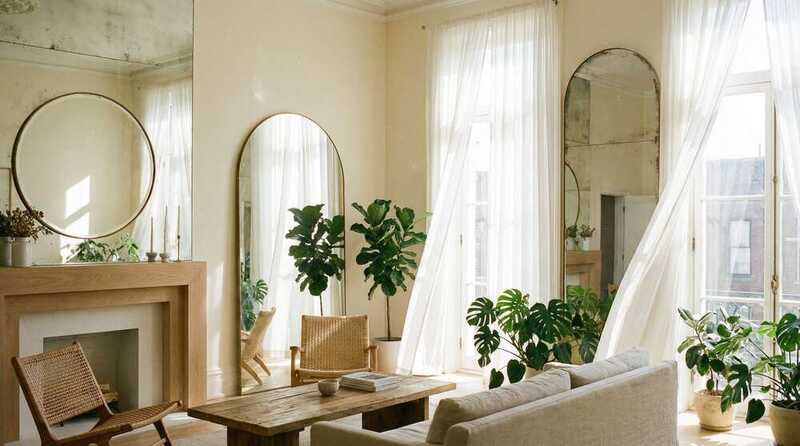
A well-placed mirror is perhaps the single most impactful addition to any entryway, especially in small spaces. Mirrors reflect light, create the illusion of depth, and provide a practical last-minute check before heading out the door. Budget-friendly mirrors can be found at discount home stores for $30 to $80, or you can transform an inexpensive mirror by adding a custom frame made from molding or painted wood.
For maximum impact, hang your mirror at eye level and position it to reflect something attractive, such as a window, artwork, or the view into an adjacent room. Round mirrors have become increasingly popular in entryway design because their soft shape contrasts beautifully with the typically angular architecture of doorways and halls. If you prefer a rectangular mirror, consider hanging it horizontally to make a narrow entryway feel wider.
Storage Solutions That Work
Functional storage is essential in an entryway, but it does not have to be expensive or complicated. Wall-mounted hooks provide the most affordable storage solution, typically costing $15 to $40 for a set of attractive hooks. Choose hooks with personality—brass or matte black finishes look more expensive than basic chrome, and decorative shapes add visual interest to the wall.
For shoe storage, consider a simple bench with built-in cubbies underneath, which serves double duty as seating and organization. Budget options range from $60 to $120 and prevent the shoe pile-up that plagues many entryways. If space is extremely limited, a wall-mounted shoe rack or over-the-door organizer keeps footwear contained without taking up valuable floor space.
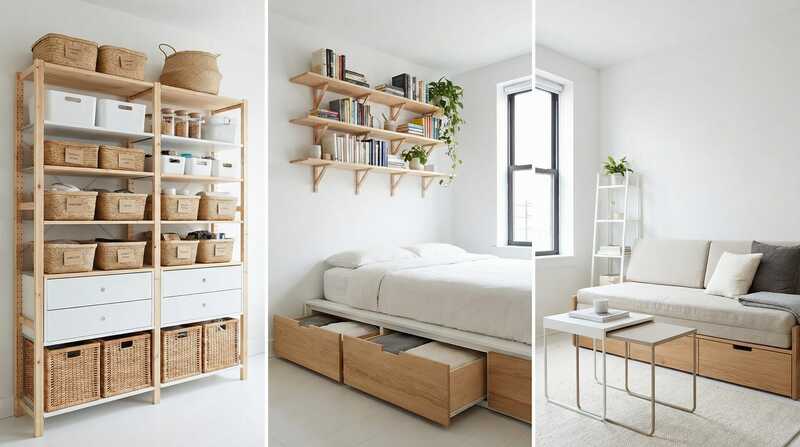
Baskets are another versatile storage solution that adds texture and warmth to an entryway. Place a large woven basket near the door for tossing items like reusable shopping bags, dog leashes, or sports equipment. Smaller baskets on the console table can hold mail, sunglasses, or other frequently accessed items. Look for natural materials like seagrass or rattan, which photograph well and blend with virtually any decorating style.
Lighting That Sets the Mood
Proper lighting transforms an entryway from purely functional to genuinely welcoming. If you have overhead lighting, consider updating the fixture to something more stylish—even budget pendant lights in the $50 to $100 range can dramatically change the feel of the space. Look for fixtures with interesting shapes or materials like woven rattan, geometric metal, or frosted glass.
If changing overhead fixtures is not an option, a table lamp on the console provides warm, inviting light that is far more flattering than harsh overhead bulbs. Choose a lamp with a sculptural base or interesting shade that doubles as a decorative element. Battery-operated LED candles in lanterns offer another budget-friendly lighting option that adds ambiance without requiring electrical work.
Rugs That Define the Space
An area rug anchors the entryway and protects flooring from the wear and tear of daily traffic. Budget rugs in the $40 to $100 range are widely available, but choosing the right one requires some strategy. Look for durable materials like polypropylene or jute that can withstand dirt and moisture. Darker colors and patterns hide stains better than light solids, making them more practical for high-traffic entries.
Size matters when it comes to entryway rugs. A rug that is too small looks like an afterthought, while one that is appropriately sized makes the space feel intentional and complete. In a typical entryway, aim for a rug that is at least three feet wide and extends far enough to accommodate the console table and allow for standing room. If your entryway opens directly into another room, use the rug to visually separate the spaces and create a defined entry zone.
Wall Decor and Personal Touches
Bare walls make an entryway feel unfinished, but you do not need expensive artwork to create visual interest. A gallery wall of family photos in matching frames creates a personal welcome that guests appreciate. Thrift store frames can be spray-painted in a cohesive color for a pulled-together look that costs just $20 to $40 total.
Alternative wall decor options include a large calendar or chalkboard for family organization, floating shelves displaying small plants or collectibles, or a decorative wall-mounted key holder that combines function with style. Peel-and-stick wallpaper on a single accent wall adds pattern and personality for $30 to $60 and can be removed without damage when you are ready for a change.
Color and Paint
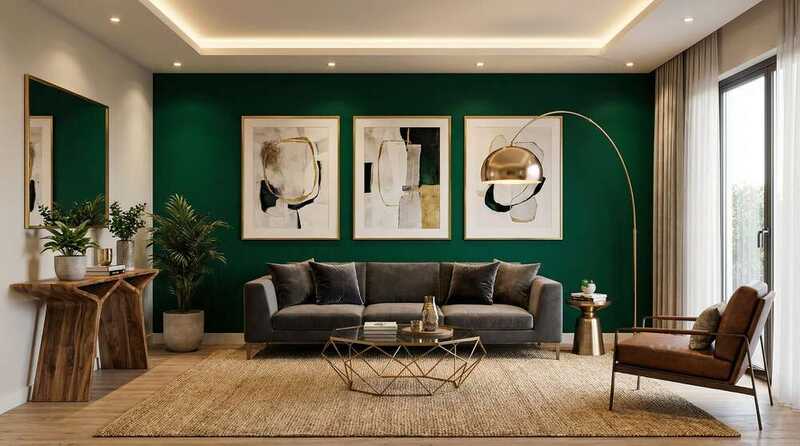
Paint is the most budget-friendly way to make a dramatic impact in any space, and entryways are no exception. A fresh coat of paint in a welcoming color immediately elevates the space. Consider painting the entry a different color from adjacent rooms to create a sense of arrival and transition. Warm neutrals like greige or soft taupe feel inviting, while bolder choices like navy blue or forest green make a sophisticated statement.
If painting the entire space feels like too much commitment, try painting just the door or the wall behind the console table as an accent. A painted door in a cheerful color like coral, teal, or sunny yellow creates instant curb appeal and sets a positive tone before guests even step inside. This project typically requires just a quart of paint costing $10 to $15 and can be completed in an afternoon.
Seasonal Updates
One advantage of keeping your entryway relatively simple is the ease of updating it seasonally. Small changes keep the space feeling fresh without requiring a complete redesign. Swap out throw pillows on the bench, change the wreath on the door, or rotate decorative objects on the console to reflect the season. These minor updates cost little to nothing if you shop your own home or make simple DIY decorations.
Fresh flowers or greenery make an entryway feel cared for and welcoming. Even a single stem in a simple vase adds life to the space. If maintaining fresh flowers feels like too much work, high-quality faux stems have become remarkably realistic and provide year-round beauty for a one-time investment of $10 to $30.
Small Space Solutions
Many homes lack a dedicated entryway, opening directly into the living room or kitchen. In these situations, creating a defined entry zone becomes even more important. Use a small console table or wall-mounted shelf to establish the entry point, even if it is just a few feet from the door. A rug placed perpendicular to the door creates a visual boundary that signals the transition from outside to inside.
Vertical storage maximizes limited floor space in tiny entryways. Wall-mounted coat racks, floating shelves, and over-the-door organizers provide storage without encroaching on valuable square footage. Keep the color palette light and use mirrors strategically to prevent the space from feeling cramped or dark.
Putting It All Together
Creating a beautiful, functional entryway on a budget requires prioritizing the elements that deliver the most impact. Start with the essentials—a surface for setting down items, hooks for coats and bags, and adequate lighting. Once these functional needs are met, add decorative elements that reflect your personal style and make the space feel welcoming.
Remember that an entryway does not need to be large or elaborate to be effective. Even the smallest entry can feel intentional and inviting with thoughtful design choices. Focus on quality over quantity, choosing a few well-selected pieces that work hard and look good rather than filling the space with unnecessary items.
Recommended Products
Budget-Friendly Entryway Essentials
- Narrow Console Tables ($80-150) - Perfect for small entryways
- Round Mirrors ($30-80) - Creates depth and reflects light
- Wall-Mounted Hooks ($15-40) - Essential for organization
- Storage Benches ($60-120) - Dual-purpose seating and storage
- Durable Area Rugs ($40-100) - Defines the space and protects floors
Budget Breakdown
Complete entryway makeover: $250-400 including console table, mirror, hooks, rug, and lighting. Focus on one or two statement pieces and fill in with budget accessories for maximum impact.